Defence&Military

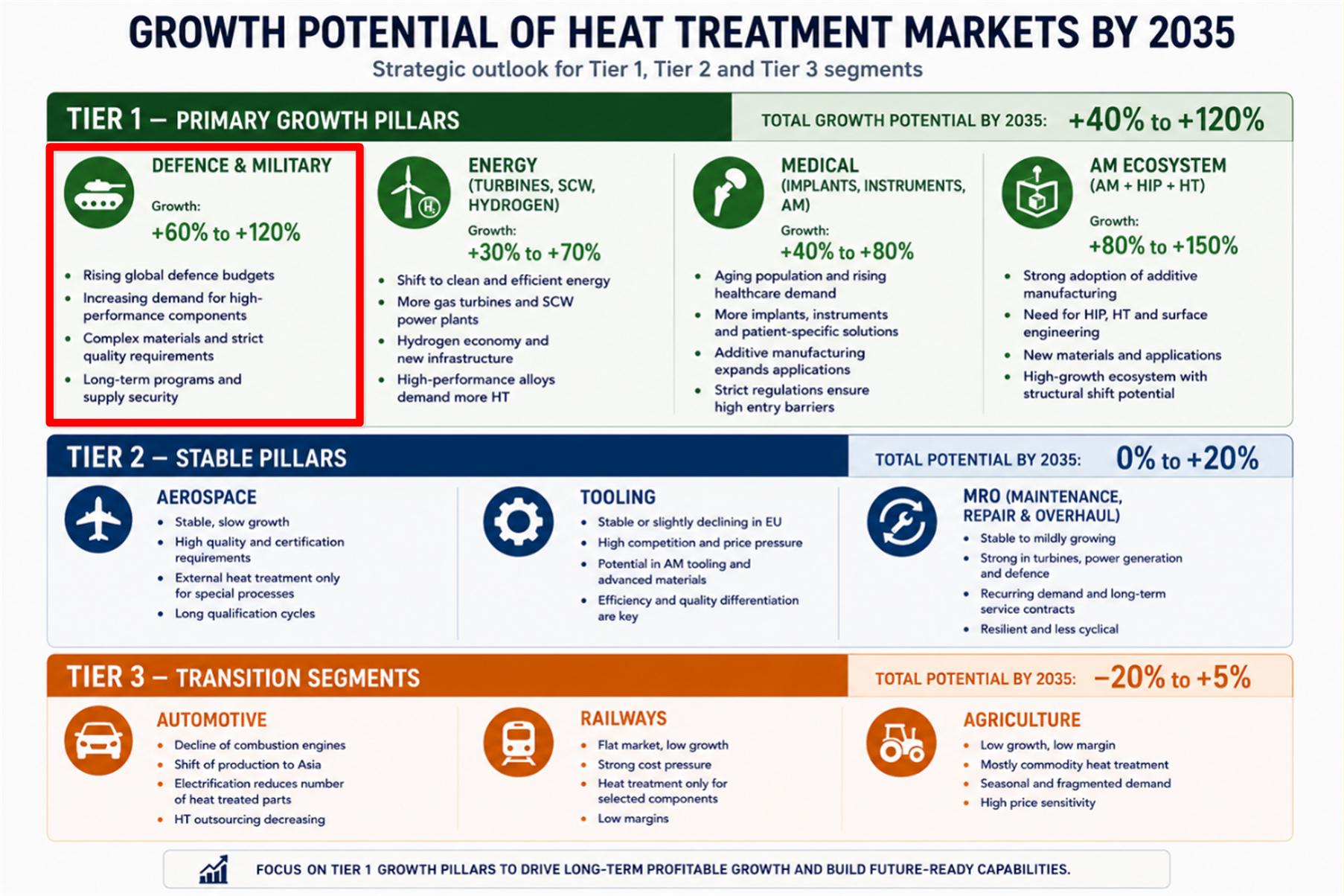
The Defence & Military sector has great growth potential, but it also has its pitfalls. The logic of this industry, at least for now, differs from other sectors. Production is extremely fragmented, hundreds of small and medium-sized companies, subcontractors for NATO programs, manufacturers of ammunition, drones, barrels, missile components, state-owned enterprises with limited capacities. These companies usually do not have their own HIP, vacuum HT, LPC, nitriding, brazing, multi-purpose furnaces.
However, as Europe increases defense spending, it is a strongly growing segment. Ammunition, drones, barrel systems — everything is running in “urgent” mode. In a system where furnace suppliers have delivery times of 12 months, it is necessary to use existing capacities to the maximum. Defence & Military does not need 100% in-house control like aerospace. It needs speed, flexibility, capacity. Demand is not in line with green policy, but with real need.
Although it is a promising field, it has a problem. A large part of it is disposable items, and this has a great influence on material perfectionism. The second problem is that the way of waging war is changing so much that it is not entirely clear what weapons systems will be needed in the future.
But if we decide on this segment, there is a catch. First we need a license, then NATO AQAP certification. Although everything is done at the national level, in our country it is administered by the Ministry of Industry and Trade, but even so it is a process that will take a long time. In addition to this catch, there is also a need to have a trader with whom this sector will negotiate at all. These are mostly classified facts, and therefore certain principles need to be maintained, see the pyramid below (Fig. 1) and the Supplier Compliance Matrix (Fig. 2).
If you think you have what it takes, why not. And how is it in terms of time? The Cold War lasted from 1948 to 1990. That is 42 years. Although I think everyone has gone crazy, for now it looks like it will be like that again. So if we write off the furnaces for 20 years, we will also have time to write off the investments
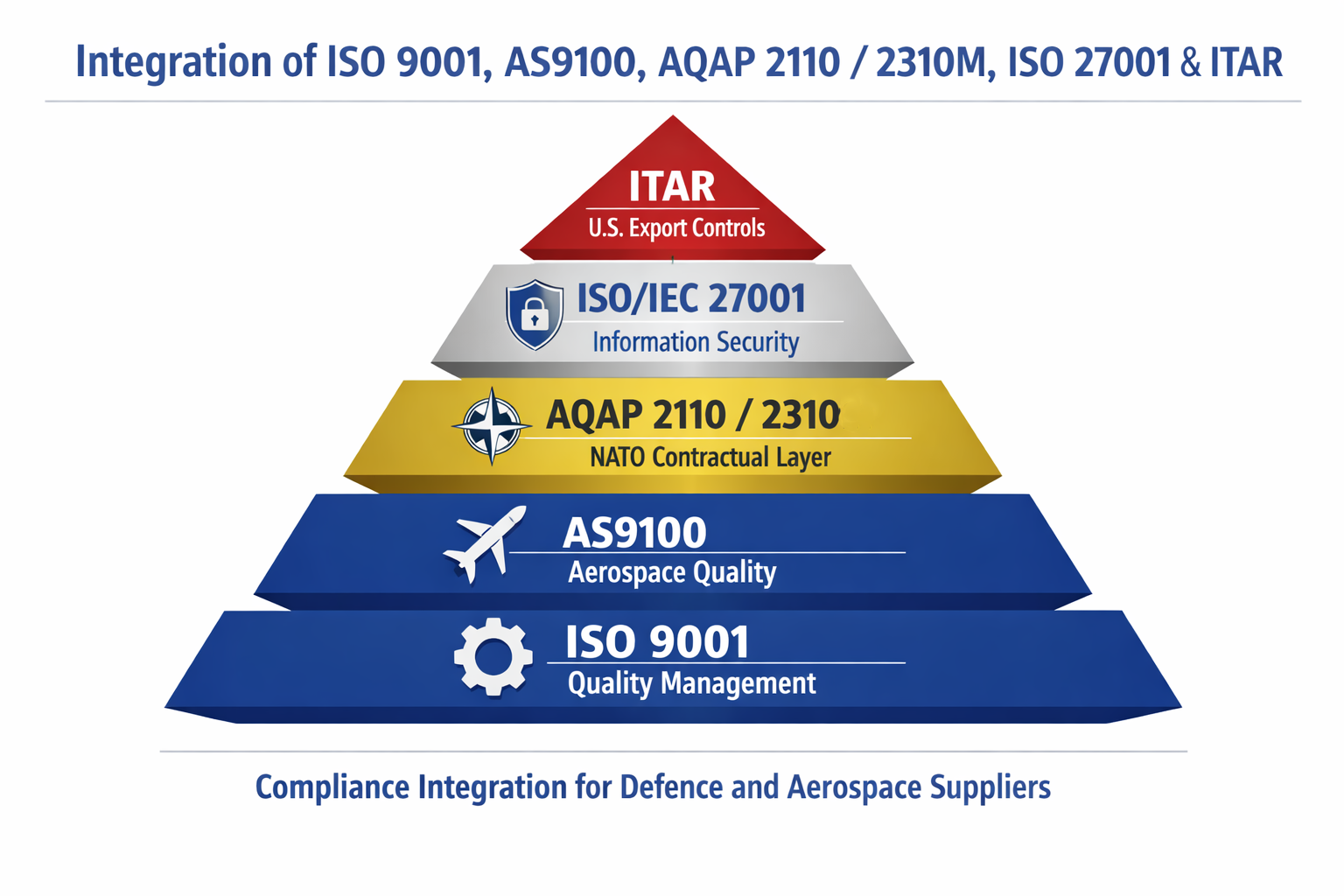
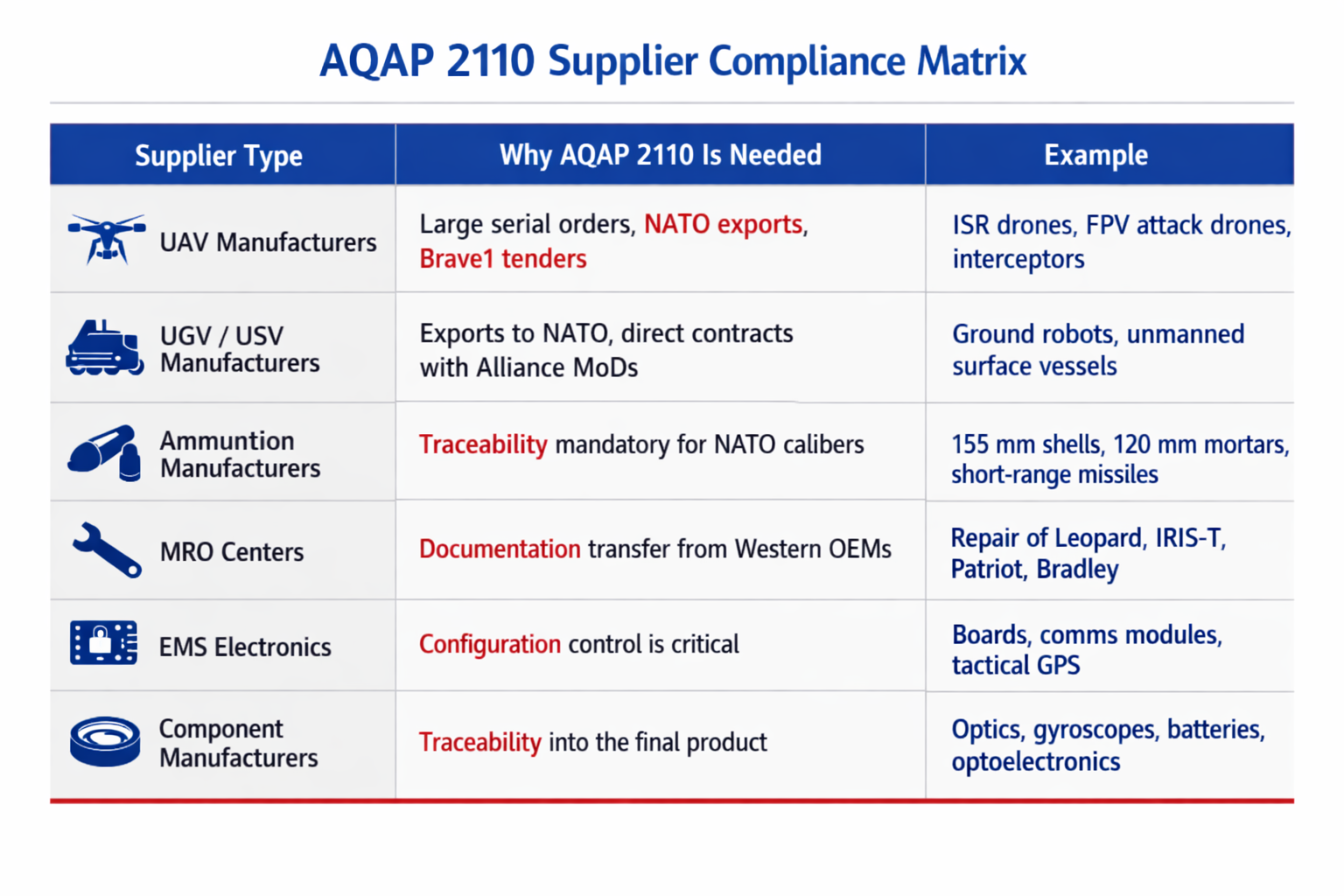
Fig. 1 – Pyramid Defence&Military qualification
Fig. 2 – NATO Supplier Compliance Matrix (7, 8, 9)
Even if the main product today is not a tank, but ammunition, drones, electronics, missile systems, this area in any case needs gearboxes, bearings, shafts, tools, rocket engines and other components. And almost everything needs: hardening, carburizing, nitriding, vacuum processes, brazing, HIP. In addition, we need ceramics, carbon fibers, perhaps even the CVI (Chemical Vapour Infiltration) process, superalloys,
The previous vision that these are disposable weapons, and that there is no need to deal with their mechanical properties, is already outdated. Even a drone is required to fly further, with a larger payload and less fuel consumption.
Entry into this escort therefore requires:
- Obtain a MPO license for military equipment
- Initiate the NATO AQAP (1) 2110 process
- Implement an internal Defence Compliance system
- Qualify key HT processes
- Obtain registration with NATO NSPA (2) and with major OEMs
The qualification process requires successive steps
Phase 1
Documentation and qualification
- QMS adaptation (3) for AQAP
- Process validation (IQ/OQ/PQ) (4)
- Defense specific work instructions creation
Defense Priority Lane establishment
- Dedicated capacity for urgent orders
- Fast lead times (48–72 h)
- Dedicated coordinator
Marketing & sales
- Defense portfolio creation
- NSPA, EDA (5), CSG Supplier Portal registration
- Direct approach to S&B, STV, ZEVETA, CZUB, Primoco
Phase 2
Technological assessment and reinforcement
- Flexible multi-chamber systems enabling rapid response to technological requirements
- Suppression of single-purpose technologies
- Focus on modern materials and technologies
- Provision of HIP capacities
- AM centers where the complete chain of operations leading to the finished product will be ensured
- Provision of NDT – Non-Destructive Testing, RT and UT methods (6)
- Provision of surface treatments according to the requirements of this sector
Phase 3
- Segmented investment strategy according to customer requirements
- Strengthening the MRO sector (Maintenance, Repair, Overhauls)
Last but not least, there is the requirement for cybersecurity. The infographic below shows that there will be a problem with the dual use of furnace equipment imported from outside NATO countries, and therefore there will be a problem for, for example, equipment manufactured in China to be able to meet these requirements (Fig. 4).
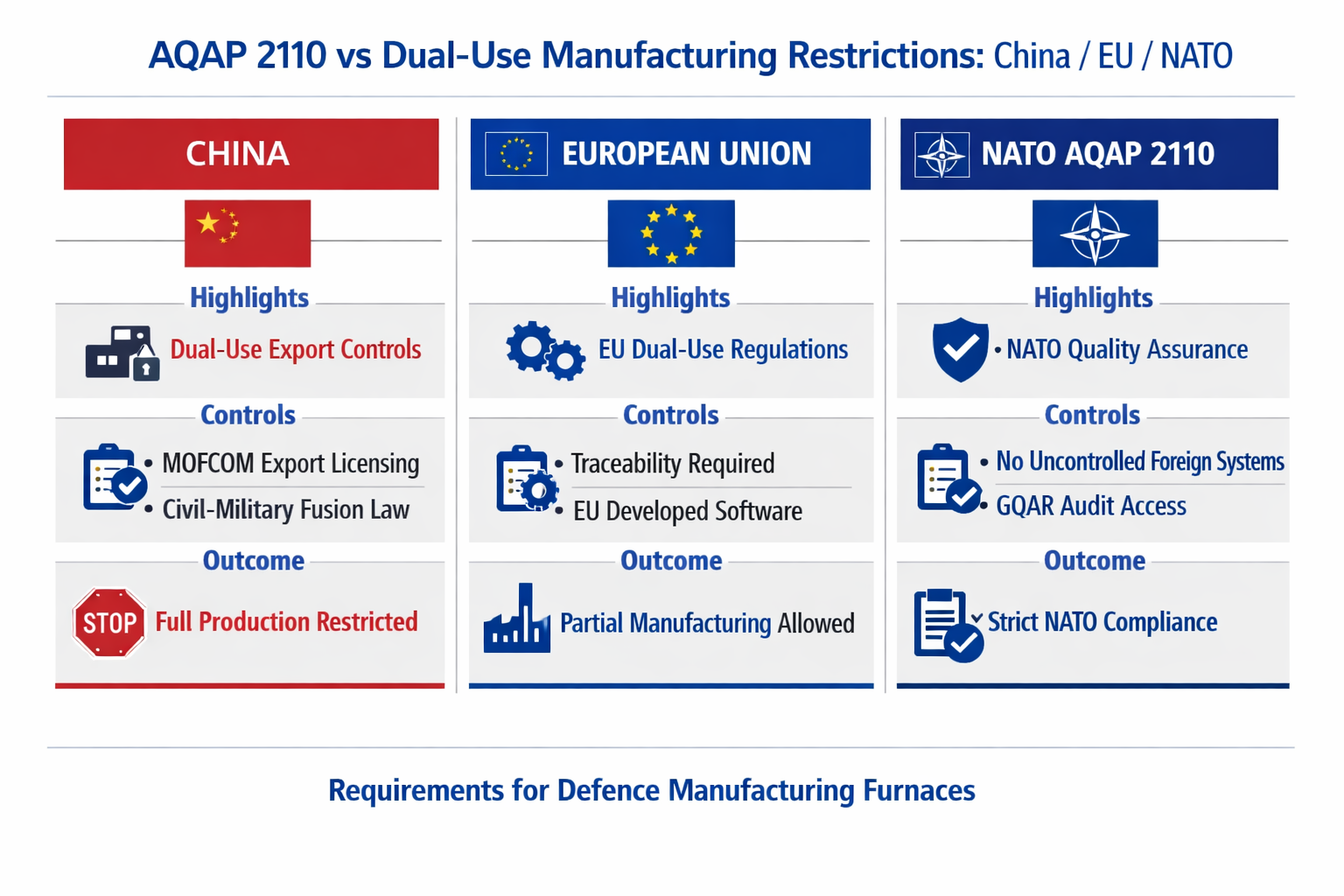
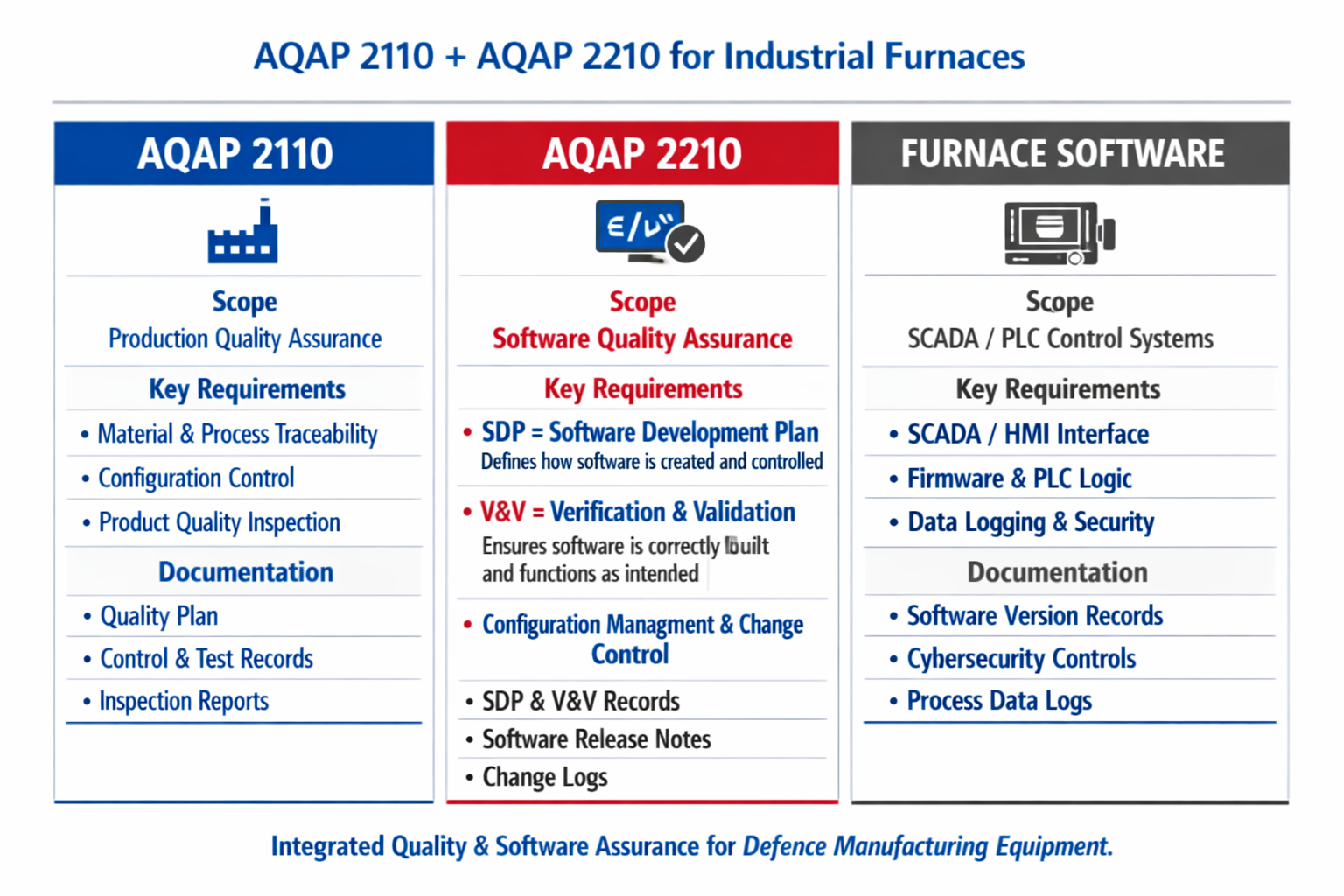
Fig. 4 – Restrictions on the import of furnaces with dual-use potential (10, 11)
Fig. 5 – Requirements for furnace software for military production purposes
But this does not only apply to hardware, but also to software. Few people realize that the SCADA system, which is now quite common for controlling furnaces, must also have control and be fully auditable (Fig. 6). It must therefore meet all the requirements AQAP 2210 (Fig. 7).
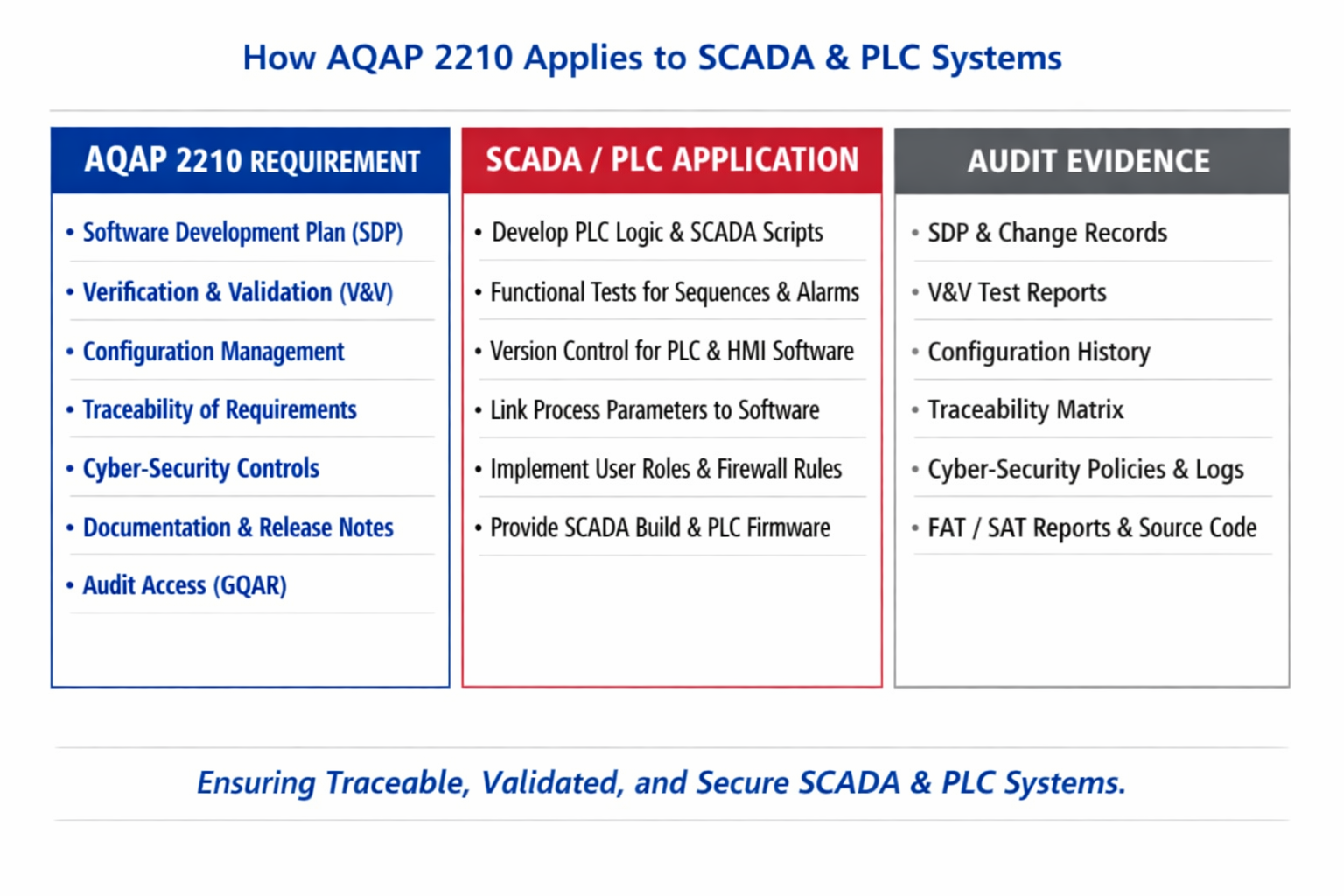
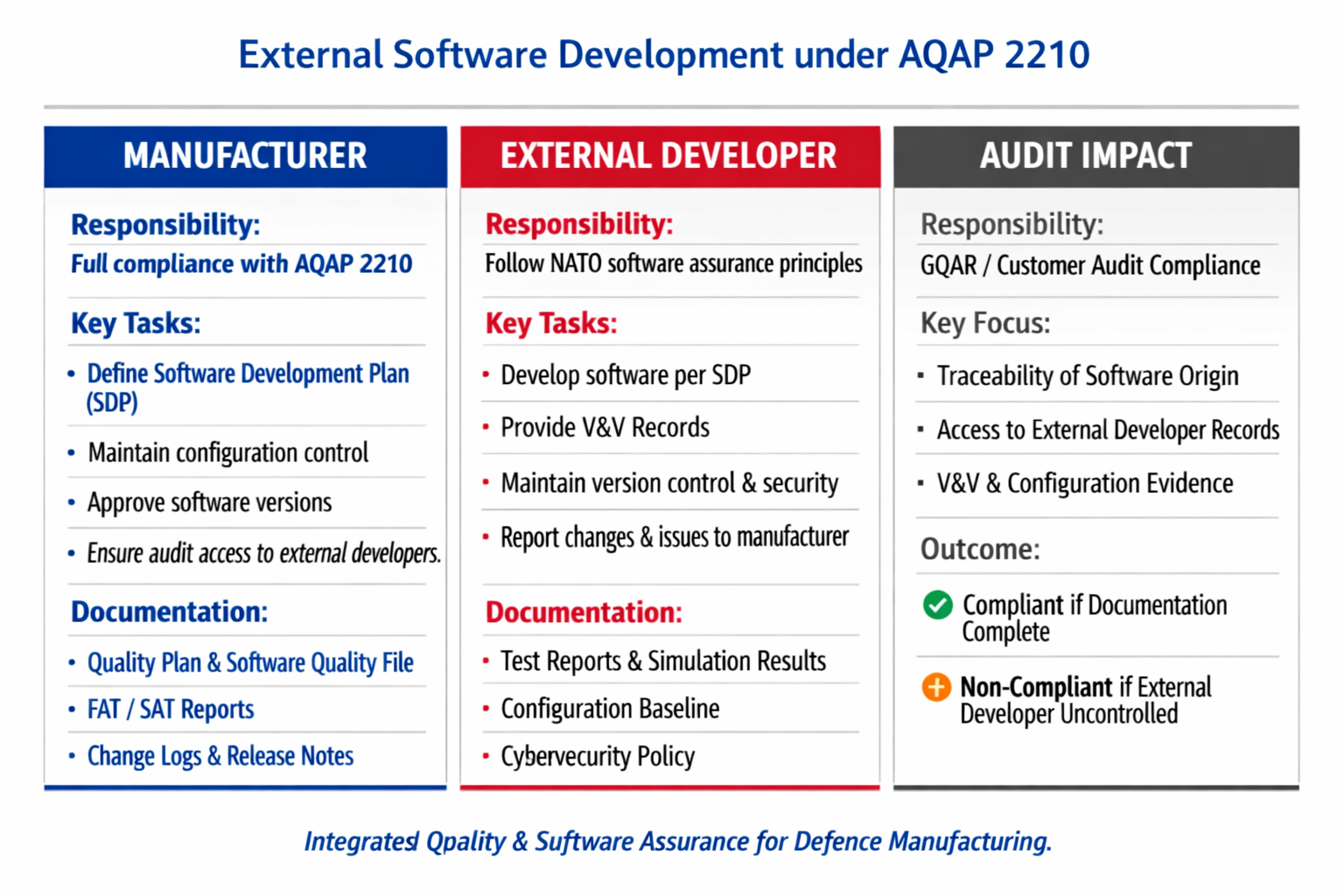
Fig. 6 – SCADA system auditability requirements
Fig. 7 – Auditability requirements for external SCADA furnace software developers
There will therefore be great pressure on furnace manufacturers. We will enter a technological vicious circle. We will not ensure full traceability on old furnaces, but on new ones we will have to meet a number of new criteria. For furnace manufacturers who do not have their own IT department and outsource the SW to external collaborators, this will be a big problem (Fig. 6).
In order for the processes to be traceable, the heat treatment plant will have to meet a number of parameters (Fig. 8)
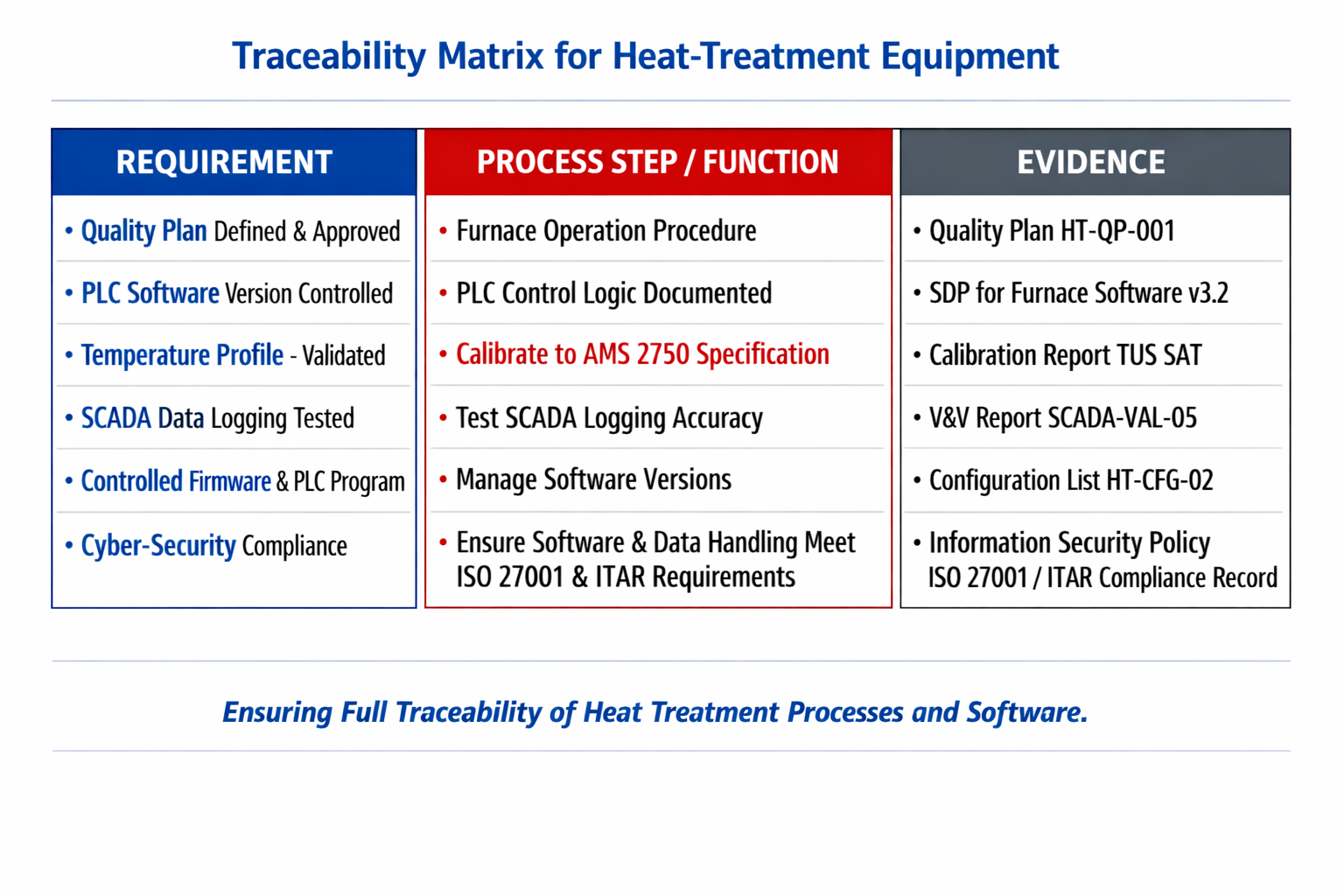
Fig. 8–Traceability requirements for heat treatment processes
The same applies to ERP systems. That is, about systems containing data about the order, parts, processes, procedures, desired and actual properties. Since I was handling this as part of the ERP team at Bodycote, just implementing access rights for ISO 27001 or ITAR is a programming pain. Moreover, this security must not only be solved outwardly, but also inwardly.
So what does that mean? In this sector, it’s not just the furnaces, but above all the entire ecosystem. So we have to turn the whole heat treatment shop inside out. And since a lot of SW equipment cannot be easily updated, we have to replace it, deploy a new one. That’s in a regular company for a year.
Yes, the Defence&Military sector is promising, but first we have to remake ourselves.
Abbreviations used
(1) AQAP – Allied Quality Assurance Publications
(2) NSPA – NATO Support and Procurement Agency
(3) QMS – Quality Management System
(4) IQ/OQ/PQ – (Installation, Operational, Performance Qualification)
(5) EDA (European Defence Agency)
(6) RT (Radiography Testing), UT (Ultrasonic Testing)
(7) UGV (Unmanned Ground Vehicle) a USV (Unmanned Surface Vehicle)
(8) MoDs = Ministries of Defence
(9) ISR = Intelligence, Surveillance and Reconnaissance (reconnaissance drone), FPV = First Person View (suicide drone)
(10) MOFCOM – Ministry of Commerce of the People’s Republic of China
(11) GQAR – Government Quality Assurance Representative
=======================================================================================================
Are you solving a similar problem? I will help you with the analysis…
 40+ years of experience in the field
30+ years of experience… HT-PROGRES, Bodycote, Galvamet
cooperation… VŠB, Czechimplant, ECM Technologies, TAV Vacuum Furnaces, GHC Invest
12+ years of expert activity
Want to ask for a solution or want a non-binding consultation? Click on this link, I will usually respond within 24 hours. Contact email
========================================================================================================
Jiří Stanislav, Ing. CSc.
Consultant and forensic expert
========================================================================================================
26/6/2026