Automotive

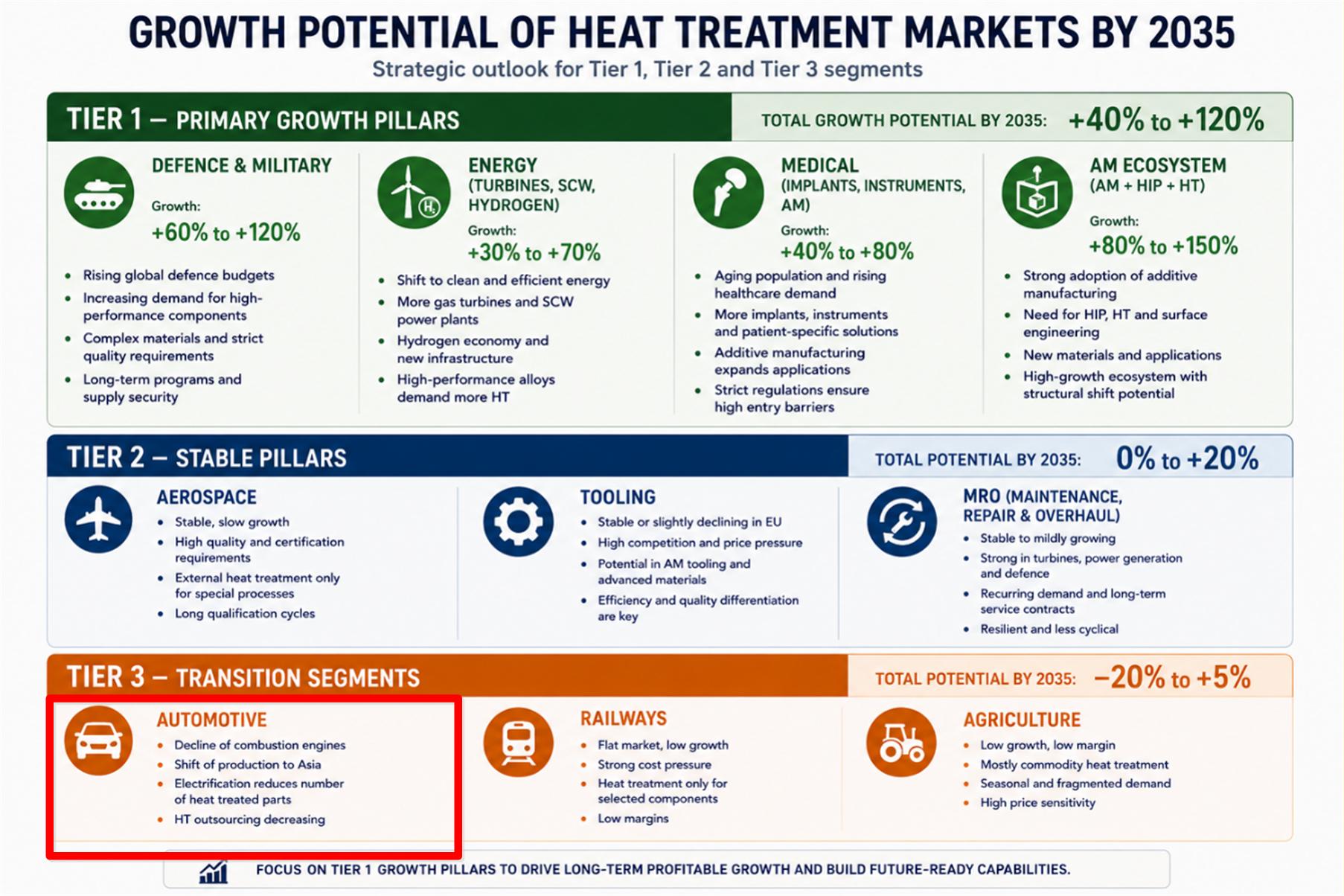
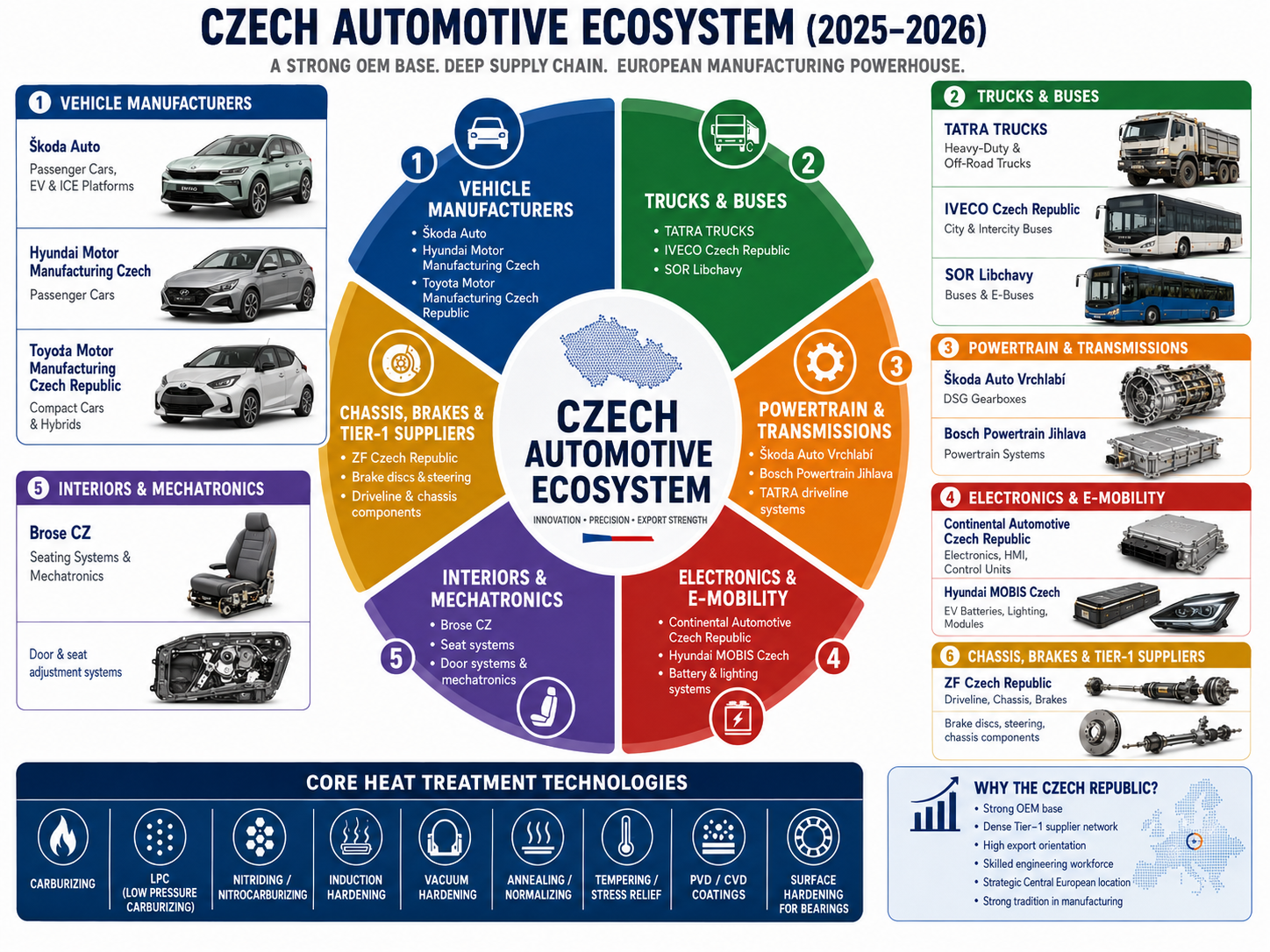
Fig. 1 – Pillars of strategic development for commercial heat treaters
Fig. 2 – Automotive ecosystem in CZ
The last chapter I want to write about before the holidays will be automotive. This sector is the biggest threat to the need for heat treatment capacities. The transition to e-mobility means that there will be no need for so many classic engines, so many gearboxes, gears, clutches, differentials. There will be a significant decrease in the need for carburizing, LPC, hardening. It is expected that it will be (-) 25 to (-) 40% of the HT volume by 2035. This does not sound optimistic. To this must be added the influence of a new method of car production, through GIGA casting, which Elon Musk and Tesla came up with, where aluminum or magnesium alloys significantly replace steel elements.
All car manufacturers are equipped with multi-chamber systems for LPC (ALD, ECM) for this sector, with a high degree of automation, robotization, and their capacities will gradually be released. This will be a problem especially for them. In the case of the continuing EU scenario with BEVs, we can expect:
Phase 1 – Process rationalization (2026–2030)
- fewer shifts
- line consolidation
- production transfer between plants
- switching off older chambers
- outsourcing of smaller batches
Phase 2 – Closing lines (2030–2035)
- process of shutting down lines
- will remain in operation but only for spare parts
- sale/lease
Phase 3: Post‑OEM phase (2035–2045)
- low volumes
- inefficient operations
- manufacturers will look for external solutions
But this is the first, catastrophic scenario, with pure electromobility (BEV). In this case, however, the LPC for the powertrain drops by 70-90%. But new requirements also arise:
- HT for copper and aluminum alloys (busbars, connectors)
- HT for magnetic materials (NdFeB, SmCo)
- HT for battery components (stainless steel, Al alloys)
- HT for composite support structures
The second scenario is HYBRIDS (HEV / PHEV). But here the situation is completely opposite. A hybrid has more mechanical parts than a classic car. A hybrid has more gears, more shafts, more bearings.
- the combustion engine still exists
- an electric motor is added
- a planetary gearbox is added
- a clutch is added
- a reduction gear is added
Hybrid is paradoxically the best scenario for LPC.
The third scenario is hydrogen drives. (Toyota, Yamaha, Kawasaki). Toyota claims that the hydrogen combustion engine has 80-90% of the same parts as the gasoline engine. Hydrogen engine = almost identical LPC needs as the gasoline engine. But in addition there will be:
- HT for high temperature valves
- Nitriding of valve seats
- HT for hydrogen injectors
- Coatings against hydrogen embrittlement
How will automakers decide? I think it is primarily tied to political decisions, so further developments will probably vary by territory – in the EU, the US, Asia. In the EU, the official strategy is still BEV, but the reality is more in hybrids. The realistic scenario is 50-60% hybrids.
- The 2035 ban on combustion engines will change
- Germany pushes e-fuels
- Toyota pushes hybrids
- Renault and Stellantis switch to hybrid platforms
USA – Hybrids and Hydrogen
- Toyota, Honda, Ford → Hybrids
- Cummins → Hydrogen Combustion Engines for Trucks
Asia – Hybrids and Hydrogen
- Japan: hybrids + hydrogen
- Korea: hybrids
- China: mix of BEVs + hybrids
The whole thing is summarized in the following graphic. What does this mean for LPC in automotive?
1) BEV → LPC drop by 70–90%, FNC growth
2) Hybrids → stable to increasing LPC
3) Hydrogen combustion engines → stable LPC, FNC growth
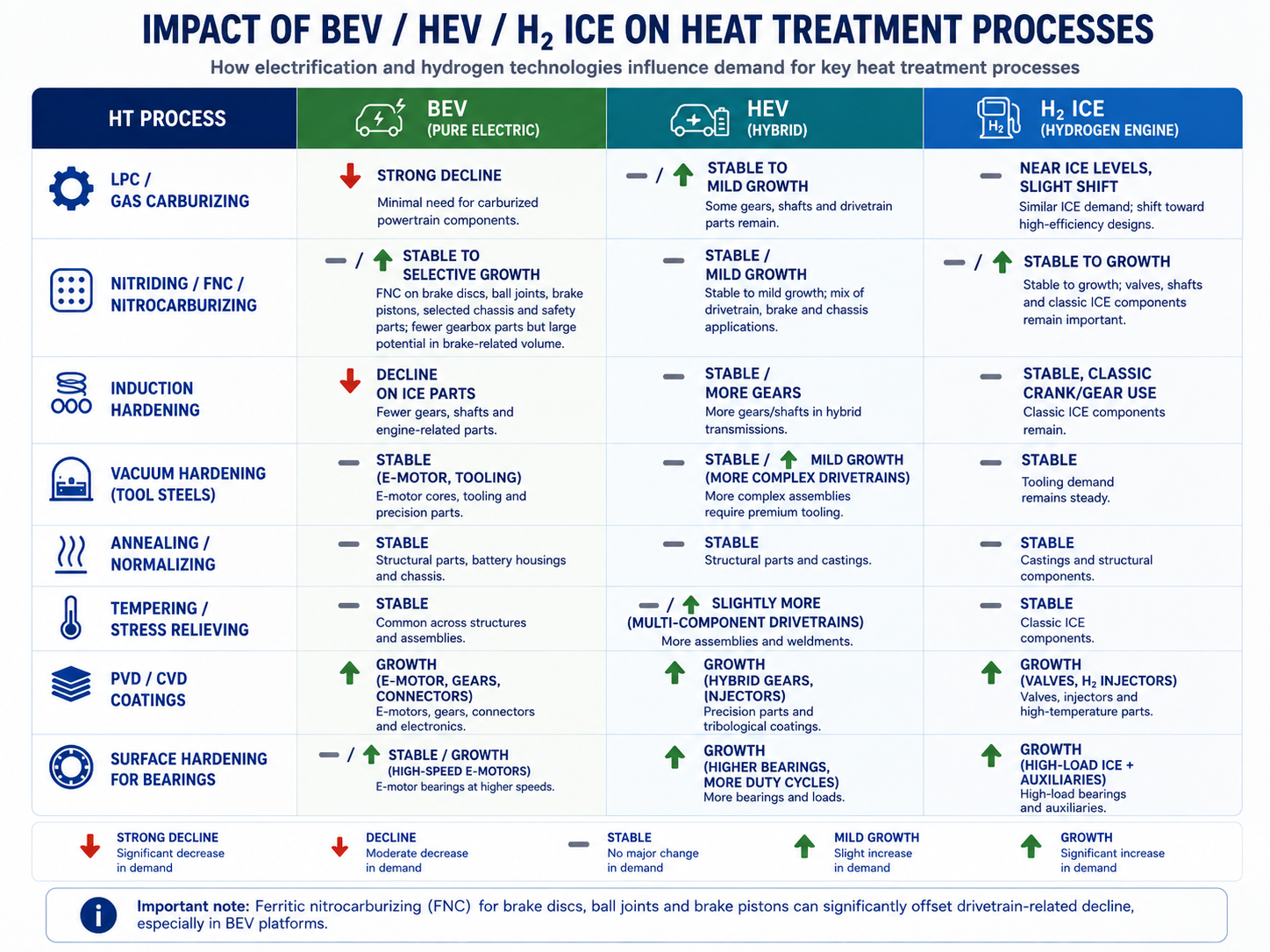
Fig. 3 – The impact of the direction of the automotive industry on heat treatment and surface treatment volumes
Although many things are waiting for a conceptual decision, there is still the problem of GIGA casting. This is a fundamental change in the way a car is manufactured. But GIGA Casting = BEV. And that is a problem. Until recently, I thought that any engine could be put into a chassis manufactured in this way.
It is impossible, an aluminum casting has a different vibration spectrum, is light, has low damping and has high rigidity. ICE generates torsional vibrations, generates harmonic shocks and needs steel reinforcements. A GIGA casting would crack or deform. There is another problem with a hydrogen engine – higher temperatures
H₂ ICE has:
- higher combustion temperature
- higher NOx
- higher thermal load on the block
- higher vibration
GIGA aluminum casting is not designed for:
- thermal barrier
- exhaust temperatures
- ICE torsional loads
ICE, hybrid or hydrogen engine cannot be sensibly integrated into GIGA casting. We have to take this into account for now. For us, each GIGA factory will mean a decrease in heat treatment.
Automotive is therefore full of question marks. However, GIGA casting replaces:
- front frame
- rear frame.
- parts of the floor
- parts of the supporting structure
but does not eliminate safety mechanisms such as:
- moving parts
- locking systems
- seat mounts
- door hinges
- airbag holders
- pillar reinforcements
- steering mechanisms
- chassis parts
- ball joints
- brake discs and segments
These parts cannot be cast as one piece because:
- they must be serviceable
- they must be replaceable
- they must be assembleable
- they must absorb impact energy
- they must have different material propertiesthey must be manufactured in different variants
What does this mean?
- BEVs are expensive → but will get cheaper
- ICEs are cheap → but will disappear in the EU
- Hybrids are the middle → and will dominate
- Developing markets (India, Africa, LatAm) → growing fast
- Asia → massive growth of small cars
There will be more cars worldwide, not fewer. The EU is an exception – but the EU is no longer the world. The regional reality, however, will be that 80% of cars will not be BEVs, and therefore ICE and small hybrids will dominate until at least 2035.
The overall impact on the quenching plants can be expected, but it will not be negative. The quenching plants will not collapse, but will undergo restructuring.
Global trend 2025–2035:
- –20 % ICE powertrain
- 0 % common structural parts
- +30 % high‑tech HT processes
- +40 % growth outside the EU
- +10 % growth of safety parts
This results in stagnation to slight growth (0-10%) for well-managed heat treatment operations, and a decline (-20 to -40%) for heat treaters dependent on ICE Powertrain. So, even though I started out very negatively, in the end, custom quenching plants just have to break free from the conventional views of the heat treatment world and be prepared to respond flexibly. I already indicated this when I published this infographic.
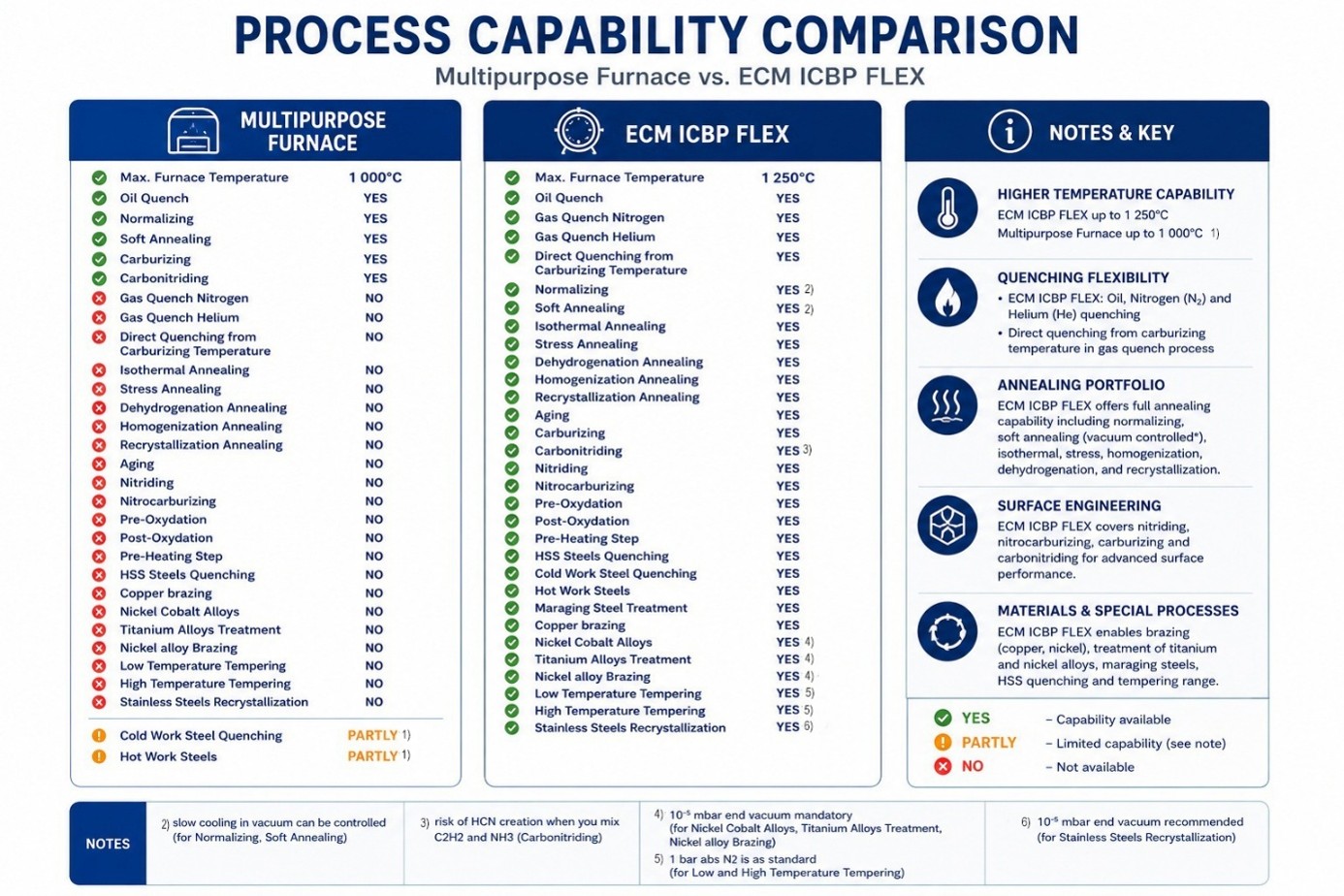
Fig. 4 – The difference between classic multi-purpose furnaces and ECM ICBP Flex
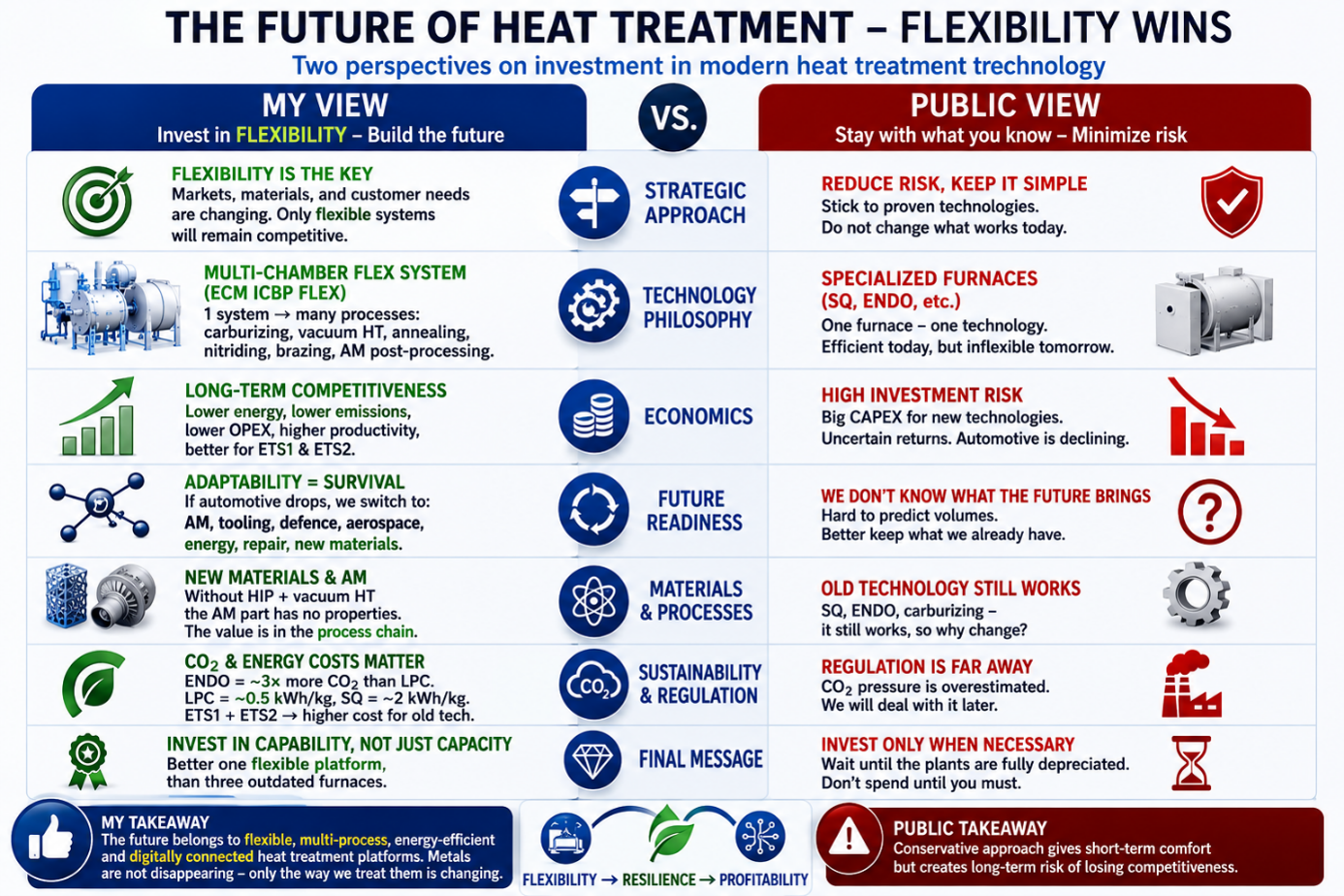
Fig. 5 – The difference between proactive and conservative investment policies
The response to it was very conservative. Why should I invest in such an expensive device when I don’t know what will happen? The answer is – precisely because of that.
In order to be able to function in the horizon from 2035:
- I have to reduce energy consumption
- I have to reduce emissions to a minimum, even better to zero
- I have to be flexible and I have to be able to cover any segment, not just automotive
- I have to ensure heat recovery
- I have to robotize and automate
- I have to ensure batch preparation and optimization, preferably with AI
- I have to have a properly configured MES/SCADA/ERP level
- I have to ensure 100% traceability of each part, I have an obligation to prove the process
- I have to be able to issue digital certificates for any product
- I have to be able to report emissions per kg or per piece
- I have to be able to define costs and revenues per kg or piece in the ERP system
- I have to ensure predictive maintenance
- I have to have ISO 9001, CQI-9, AMS 2750 ready, IATF 16949 (2), ISO 20431 (3)
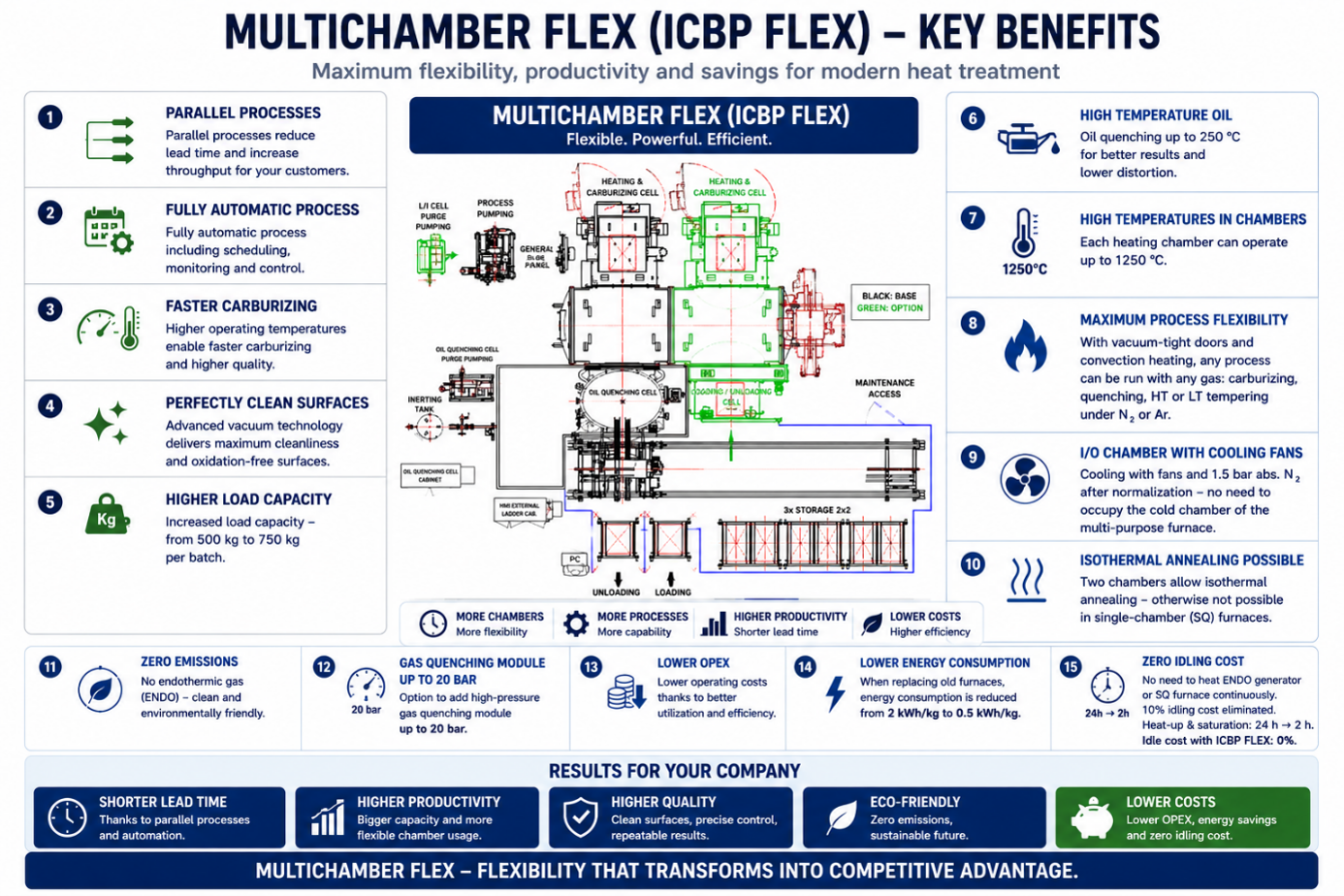
Fig. 6 – Key benefits from ECM ICBP Flex
The 2035 heat treatment plant will be cleaner, quieter, emission-free, unattended, with full AI support, robotized. But with classic cementation, we will never get rid of emissions thanks to ENDO. Is that a defect? No matter how hard we try, emissions will be “low to no emissions”.
But because every car must already have an emissions certificate, and internal heat treatment is carried out in LPC, without emissions, it is very unlikely that they would buy new parts carburized with emissions. So it is our choice. Either we keep ENDO, but we will lose the ability to work for automotive, or we will replace it with technology that does not have those emissions.
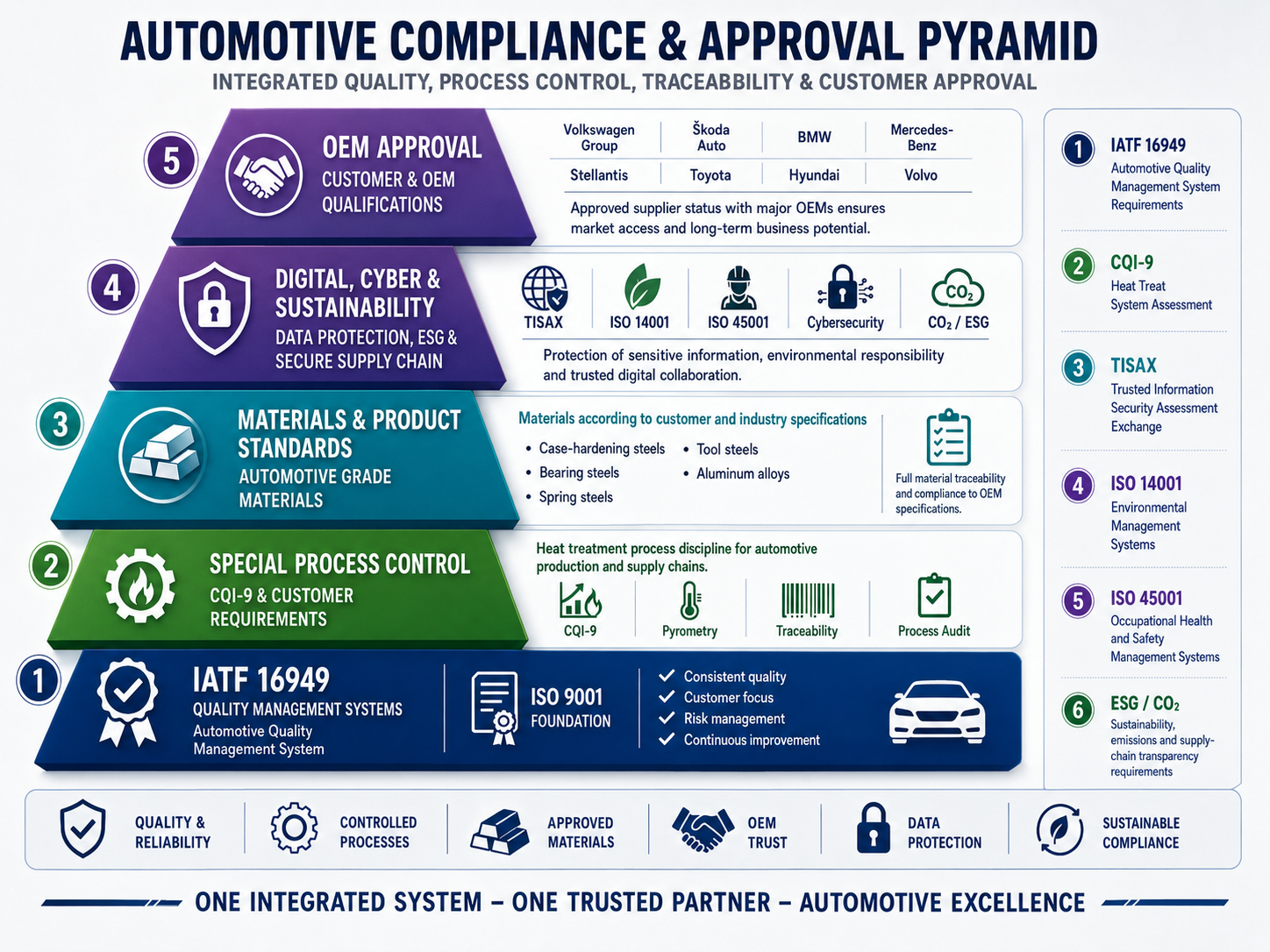
Fig. 7 – Quality pyramid for validation of thermal processes in automotive
The last chapter is certification for the automotive industry. But we are mostly ready there, and unlike Defense, Nuclear or Aerospace, we can continue with what we have. But what we need to complete is ISO 27001, cybersecurity, and then ESG reporting and traceability. We are waiting for a digital certificate for the product that will be installed in the car. So similar to Aerospace.
(1) ICE – Internal Combustion Engine
(2) IATF 16949 – International Automotive Task Force
(3) ISO 20431 – Heat Treatment – Control of Quality
=======================================================================================================
Are you solving a similar problem? I will help you with the analysis…
 40+ years of experience in the field
30+ years of experience… HT-PROGRES, Bodycote, Galvamet
cooperation… VŠB, Czechimplant, ECM Technologies, TAV Vacuum Furnaces, GHC Invest
12+ years of expert activity
Want to ask for a solution or want a non-binding consultation? Click on this link, I will usually respond within 24 hours. Contact email
========================================================================================================
Jiří Stanislav, Ing. CSc.
Consultant and forensic expert
========================================================================================================
3/7/2026