What will happen after the New Year?
So I’ll hang up again…
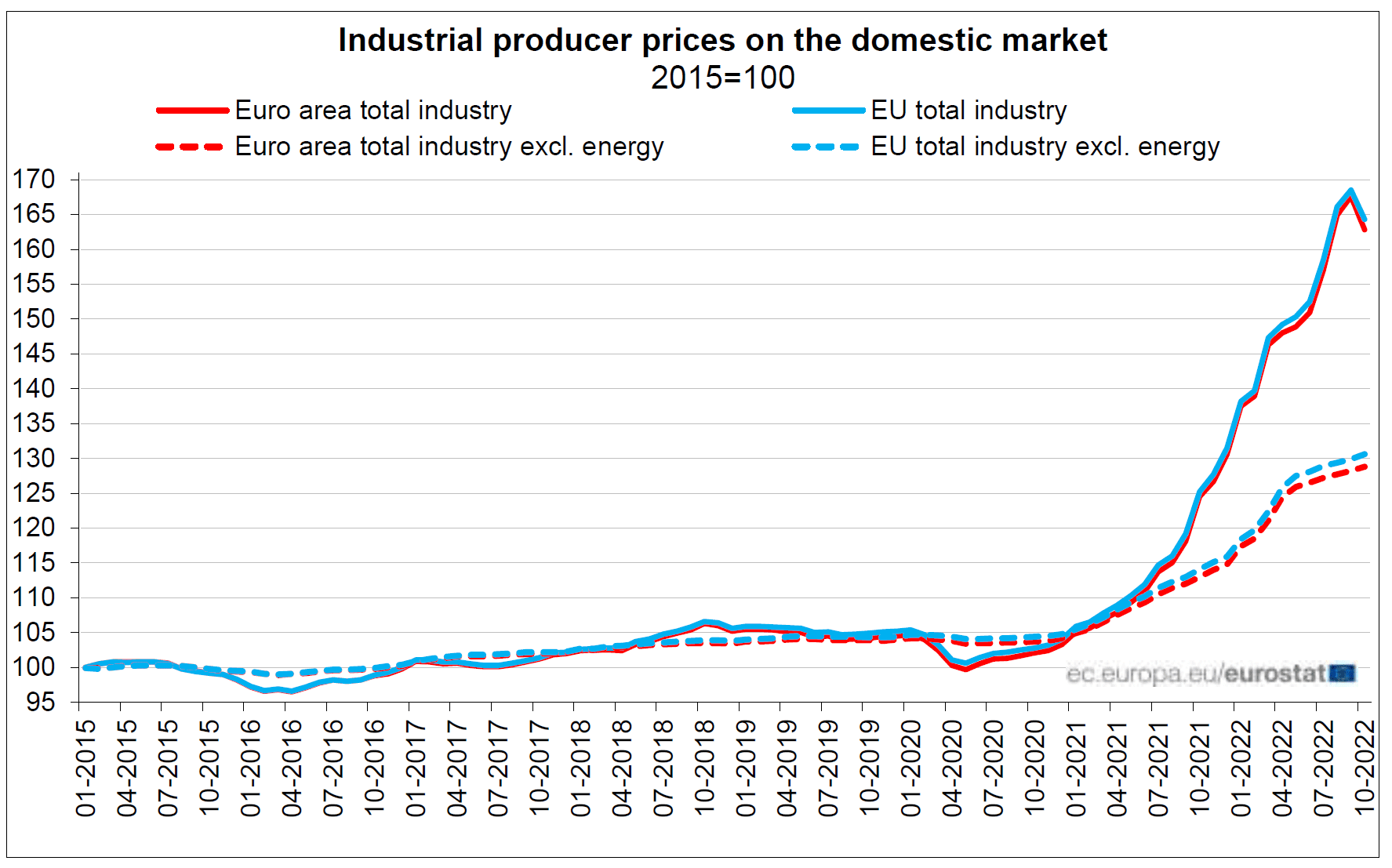
Well, to tell you the truth, I expect the apocalypse. Compared to January 2021, Eurostat records an increase in industrial prices by almost 70%. Of this, 30% is a direct energy effect, the rest is a domino effect and inflation.
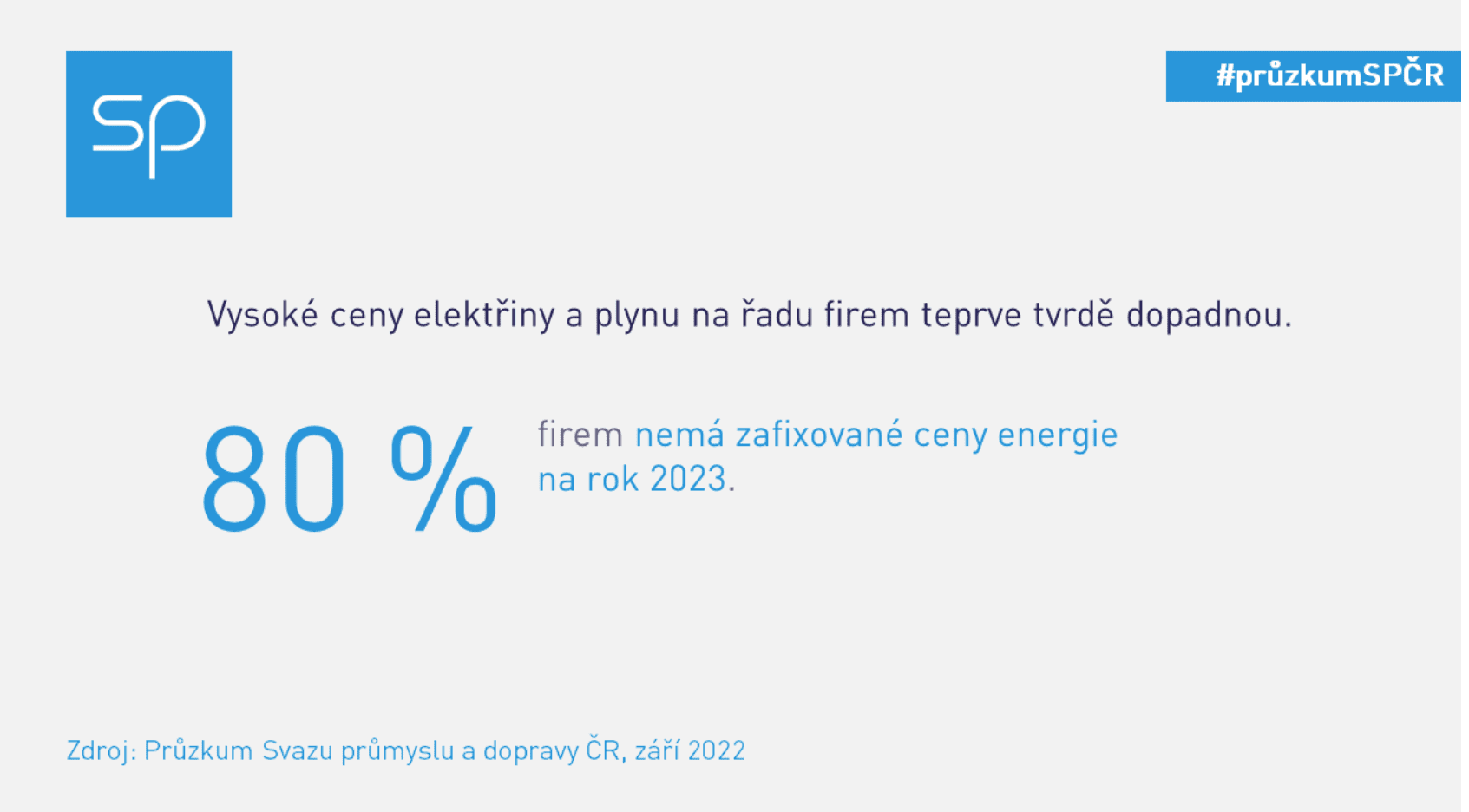
Those who were fixed until the end of this year will switch to the new prices. And since according to the statistics of the Union of Industry there are 80% of them, so it will be a dance…
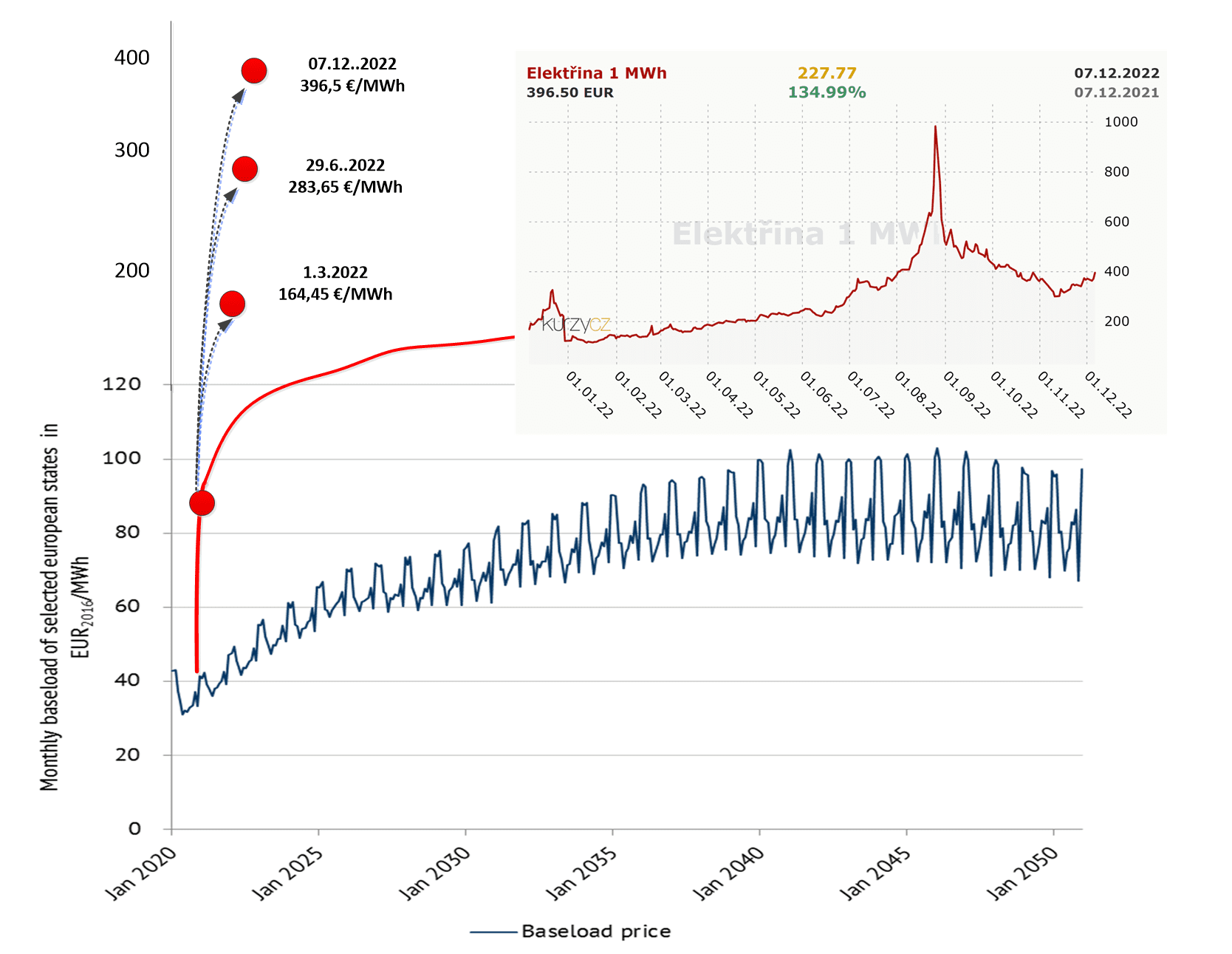
And what will the prices be? Yesterday’s price on the energy exchange was 0.3965 €/kWh.
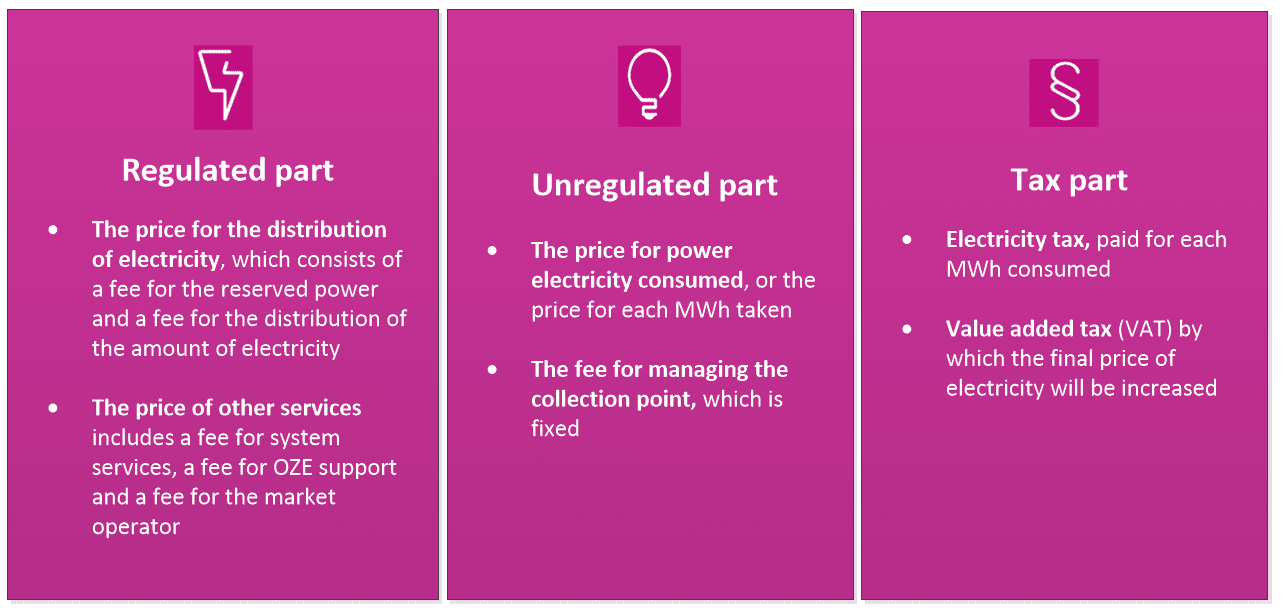
But that’s for pure power electricity. I.e. around 0,627 €/kWh in total, after taking into account everything possible related to electricity, without VAT.
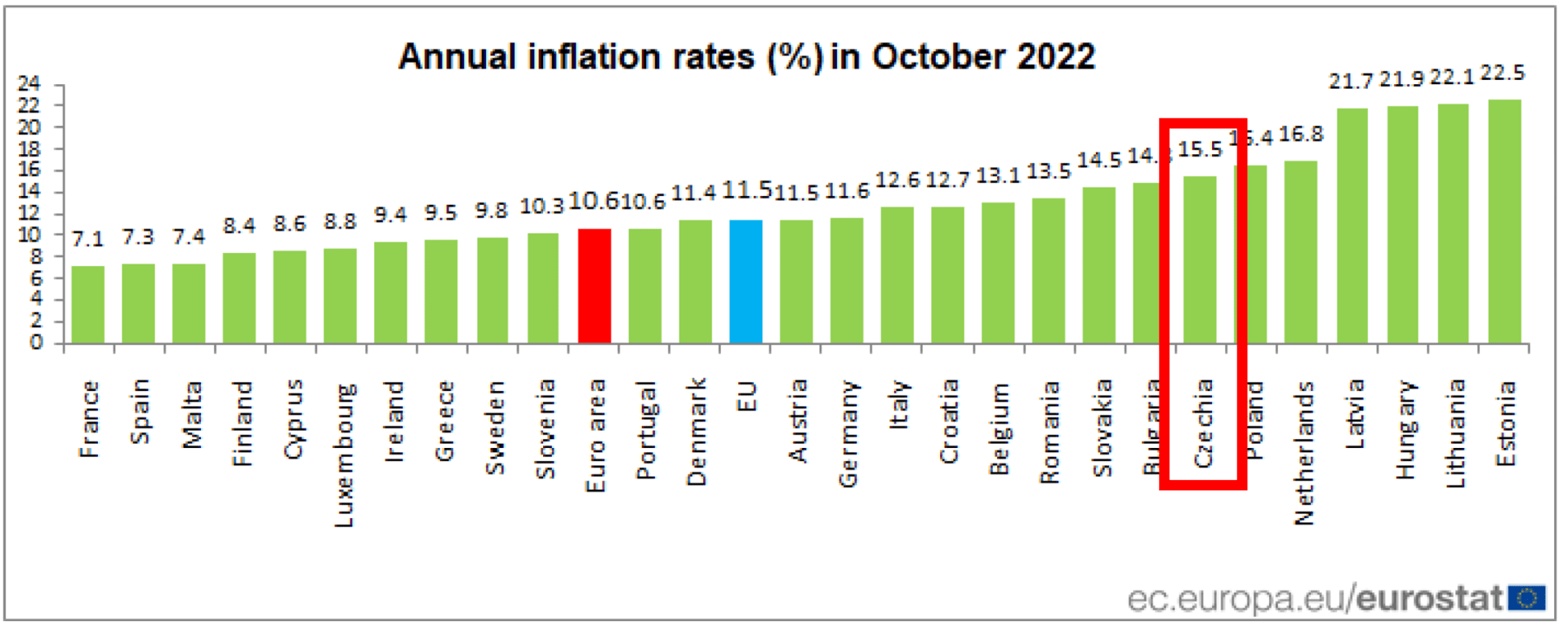
Add to that inflation of 15.5% and we are entering a price spiral with no end in sight.
As I calculated earlier, energy costs in the geat treatment plant accounted for approximately 12% of the total costs in 2020. When prices increase from CZK 0,076 €/kWh to a capped price of 0,196 €/kWh, we have to increase the prices for heat treatment twice in order to maintain the same cost ratio at the level of 12%. And if we happen to have to work with an uncapped price of 0,3526 €/kWh, without VAT, then 2.5x. But here the price is even 0,627 €/kWh.
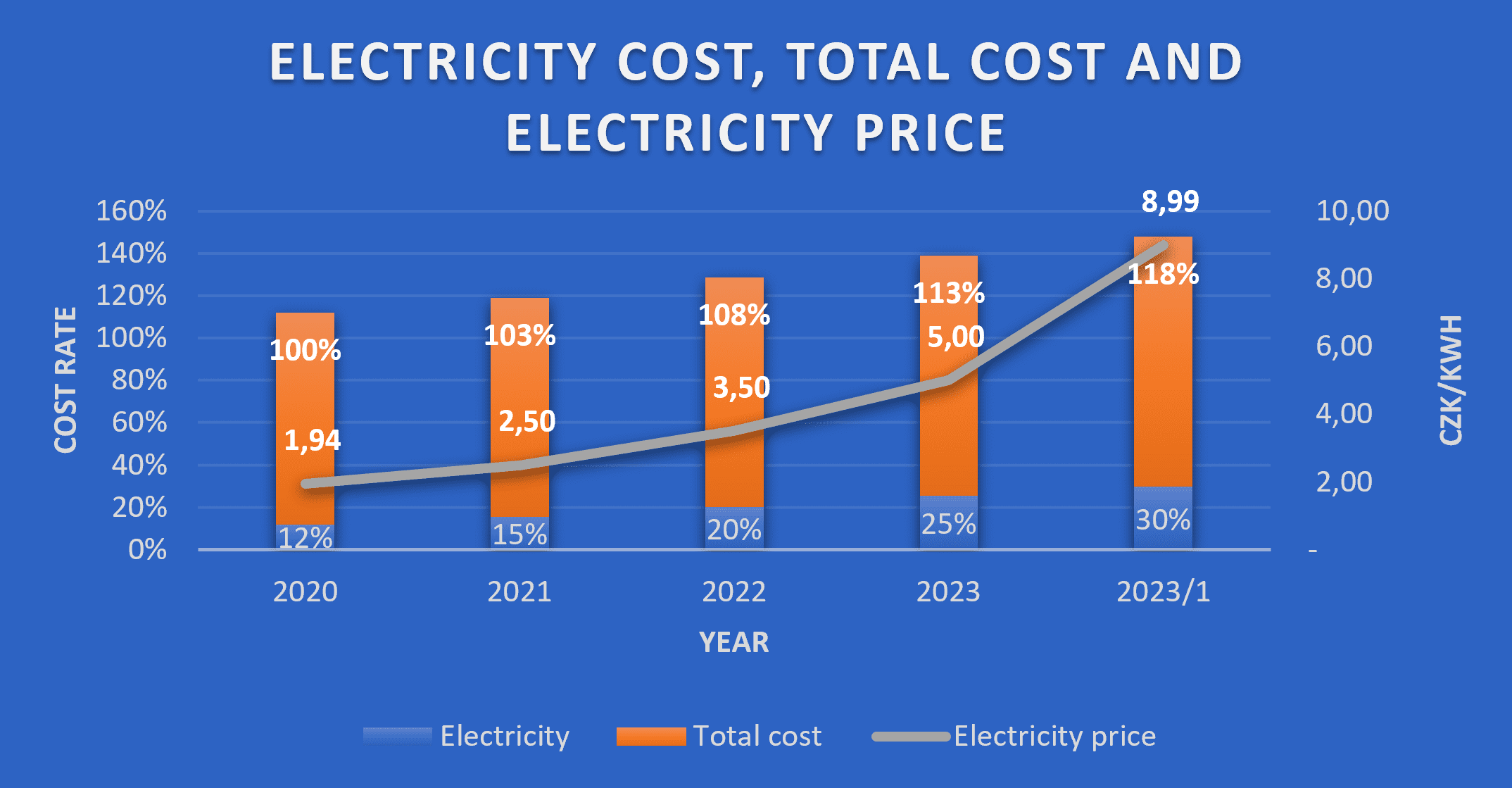
The majority of commercial heat treaters in CZ and SK show a profitability of up to 10%. Therefore, if energy prices rise to 0,196 €/kWh, the total costs of the heat treatment plant will increase by 13% and the heat treater will fall into a loss of -3%. At an energy price of CZK 0,3526 €/kWh, it will be a loss of -8%.
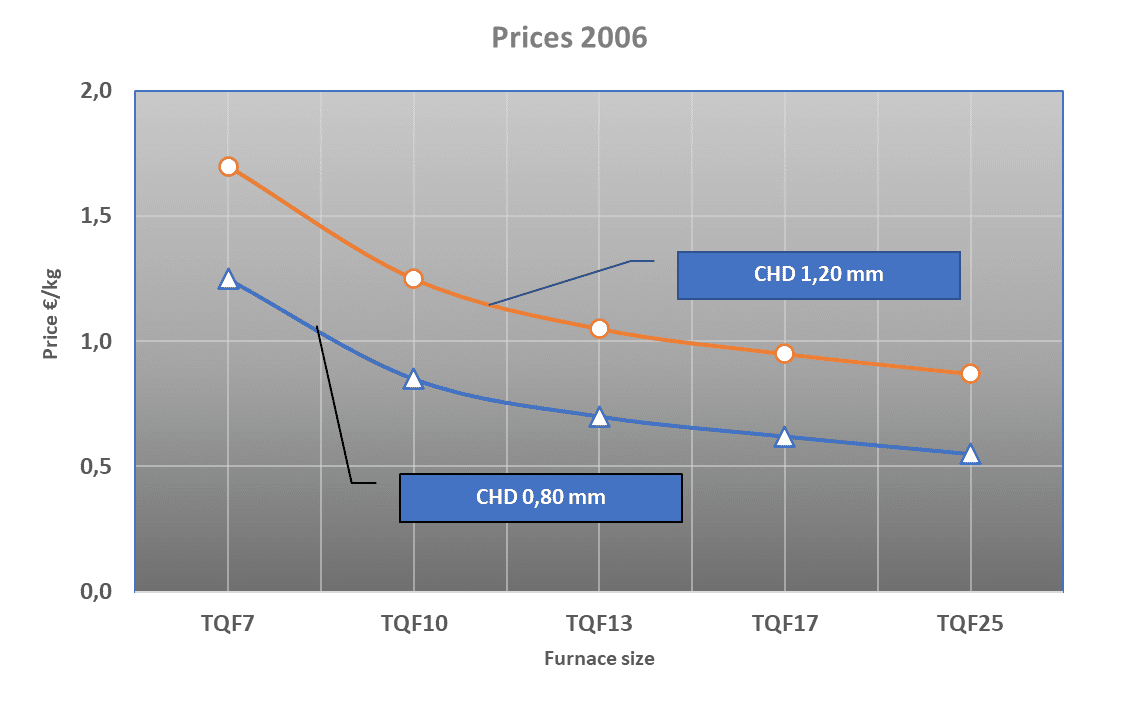
Without a sharp increase in prices, this industry is not sustainable. So where will prices go? I have been working with the diagram below since 2006. The price of carvurizing for CHD 0.8 mm on Ipsen TQF7 furnaces was roughly €1.2/kg, we arrive at the same price for CHD 1.20 mm on TQF13 furnaces. Similar prices applied for a very long time, until roughly 2020. All inflation-laden costs were compensated by internal savings with an annual price increase of around 3-5%.
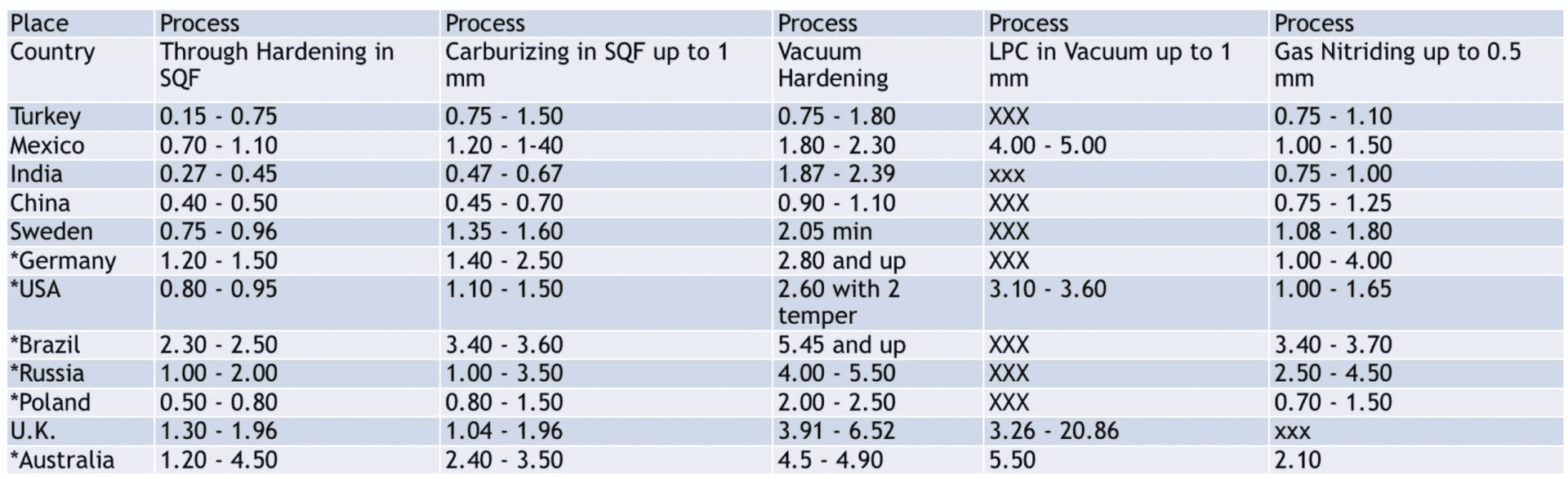
Karol Forycki with Janusz Kowalewski presents this price table from 2016 on his website. https://global-heat-treatment-network.com/kowalewski-global-heat-treatment-review/, it can be seen that the price level has increased from 2016 did not change much in the surrounding countries, and the same prices lasted to a certain extent until 2020.
But the new prices for 2023 should be double. And in good faith that it will all finally stop…
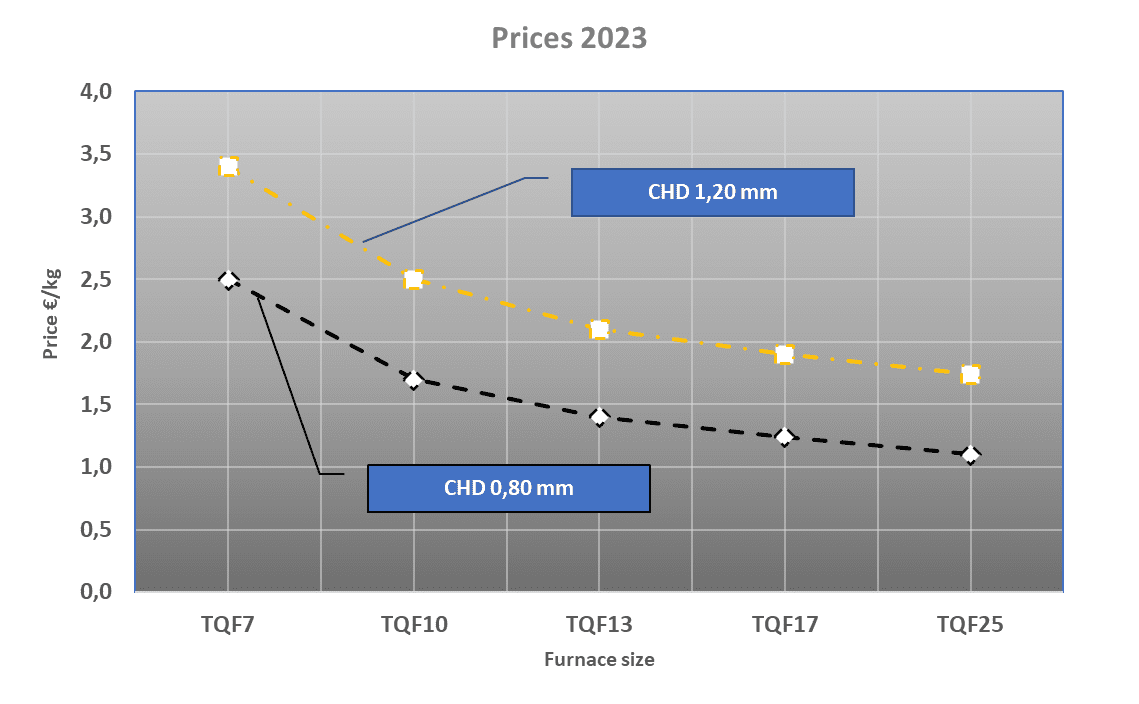
In January, I forecast prices for carburizing of 0.80-1.20 mm according to the diagram. As usual I was wrong again. I never dreamed that we would jump straight to 2040 this year.
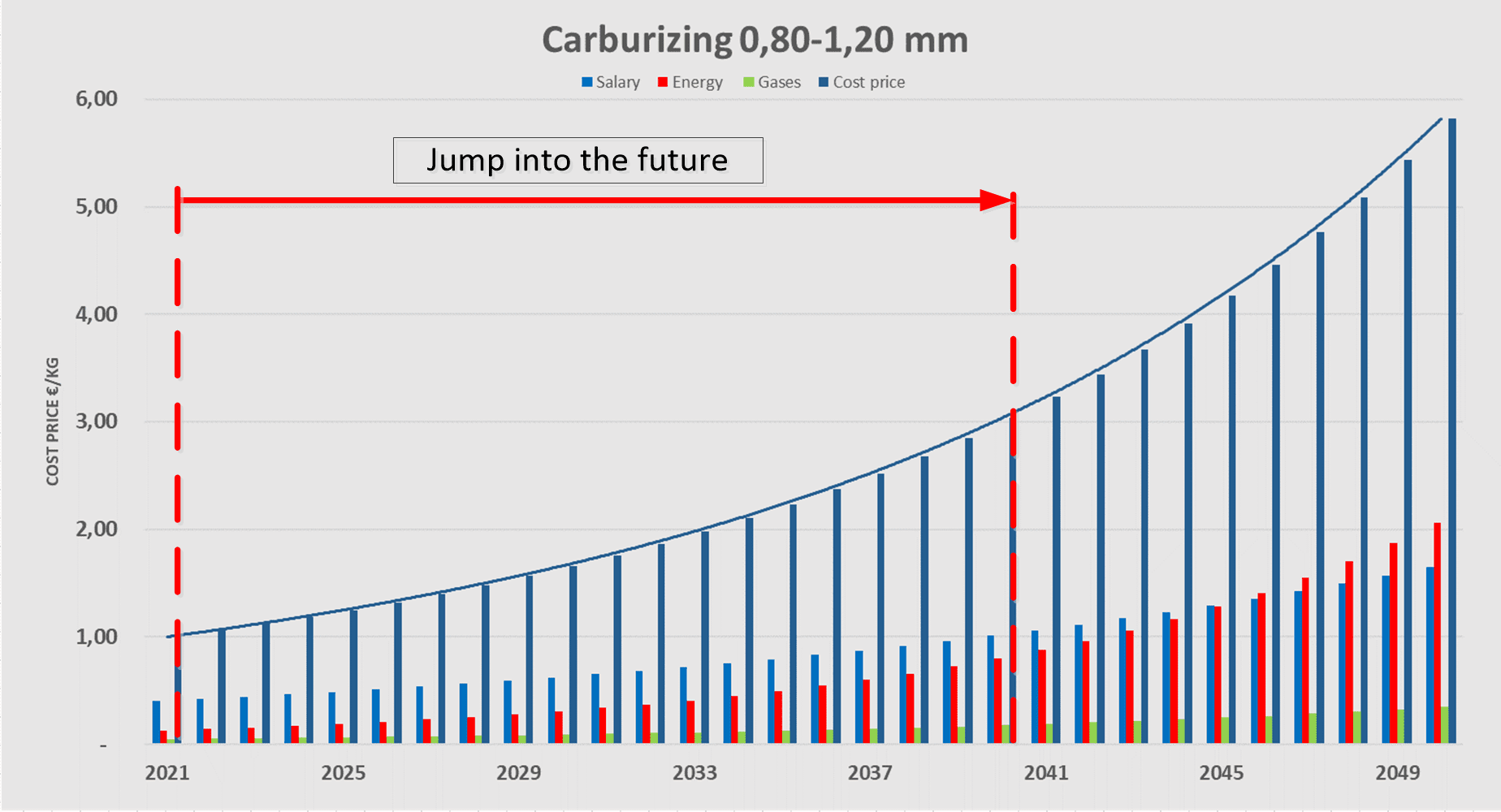
And how to deal with it? It will be tricky because those with prices fixed until the end of 2023 have an unexpected competitive advantage. So, the question is whether they will be able to use it.
Yesterday’s news about capped prices for the industry really shocked me .. the price of 0,196 €/kWh without VAT and without distribution fees, i.e. somewhere around 0,321 €/kWh in total, and the price for natural gas commodity of 0,117 €/kWh.
Well, really nice Christmas gifts…

December 9, 2022
Jiří Stanislav