TUS, SAT, náklady a Nadca 207

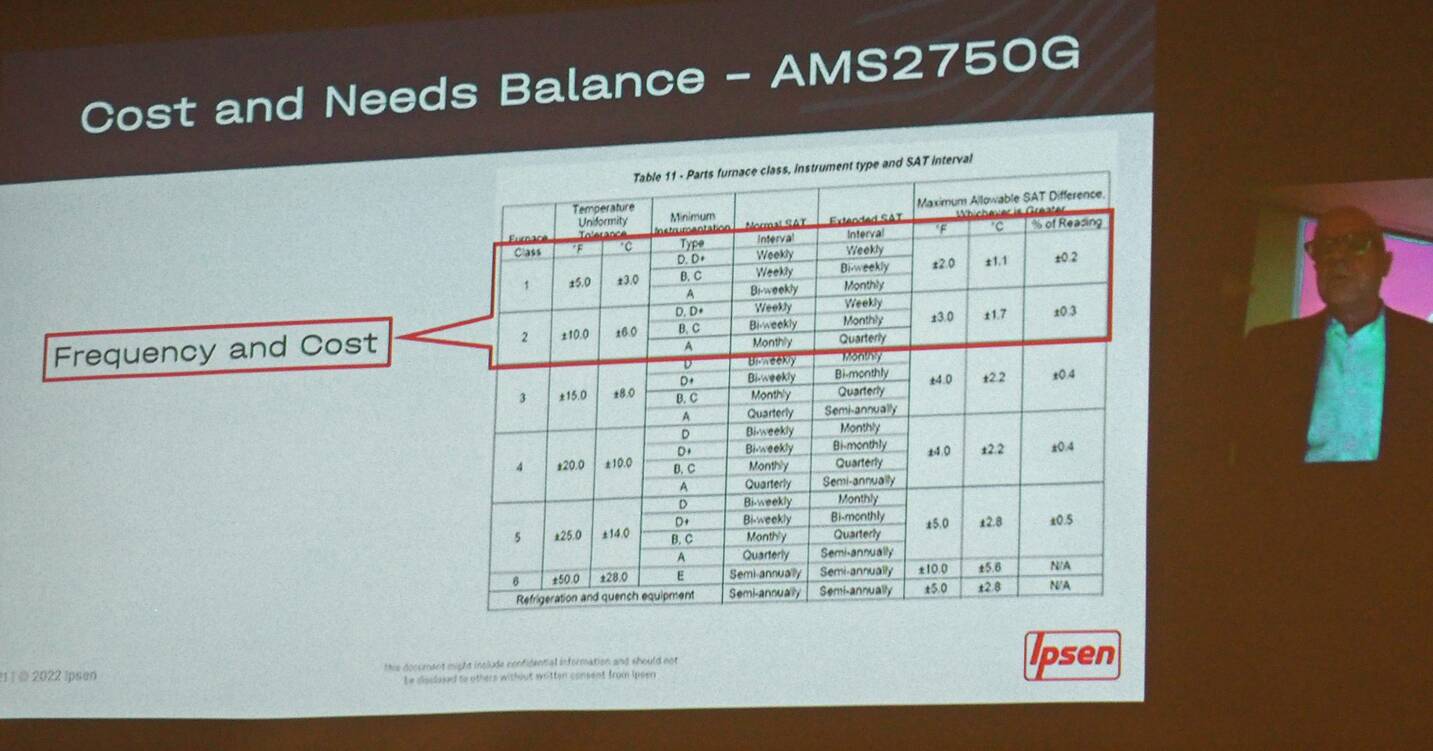
At the Heat Treatment Forum in Wroclaw, Janusz Kowaleski from Ipsen had an interesting presentation on “Choosing the right vacuum furnace”. All aspects of the selection were mentioned in it, but one of them is the cost of operating the equipment with regard to compliance with AMS 2750G. Nadca 207 for Die Casting Dies states that in order for a furnace to be used to harden die liners, it must be maintained in accordance with ASTM 2750G, or CQI-9.
Does it make any difference to the heat treatment shop or to the tool shop that makes the dies?
In order to keep the furnace in a validated state, the above standards say that to be sure that the desired temperature is also the actual temperature, throughout the usable space of the furnace, we must perform periodic SAT and TUS.
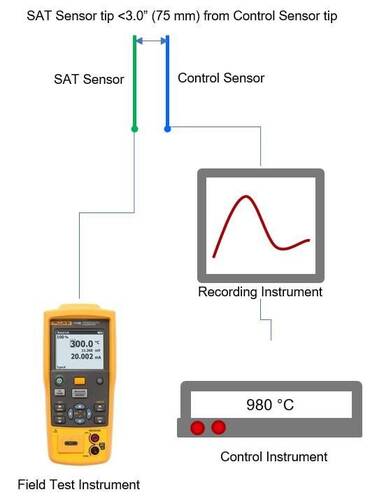
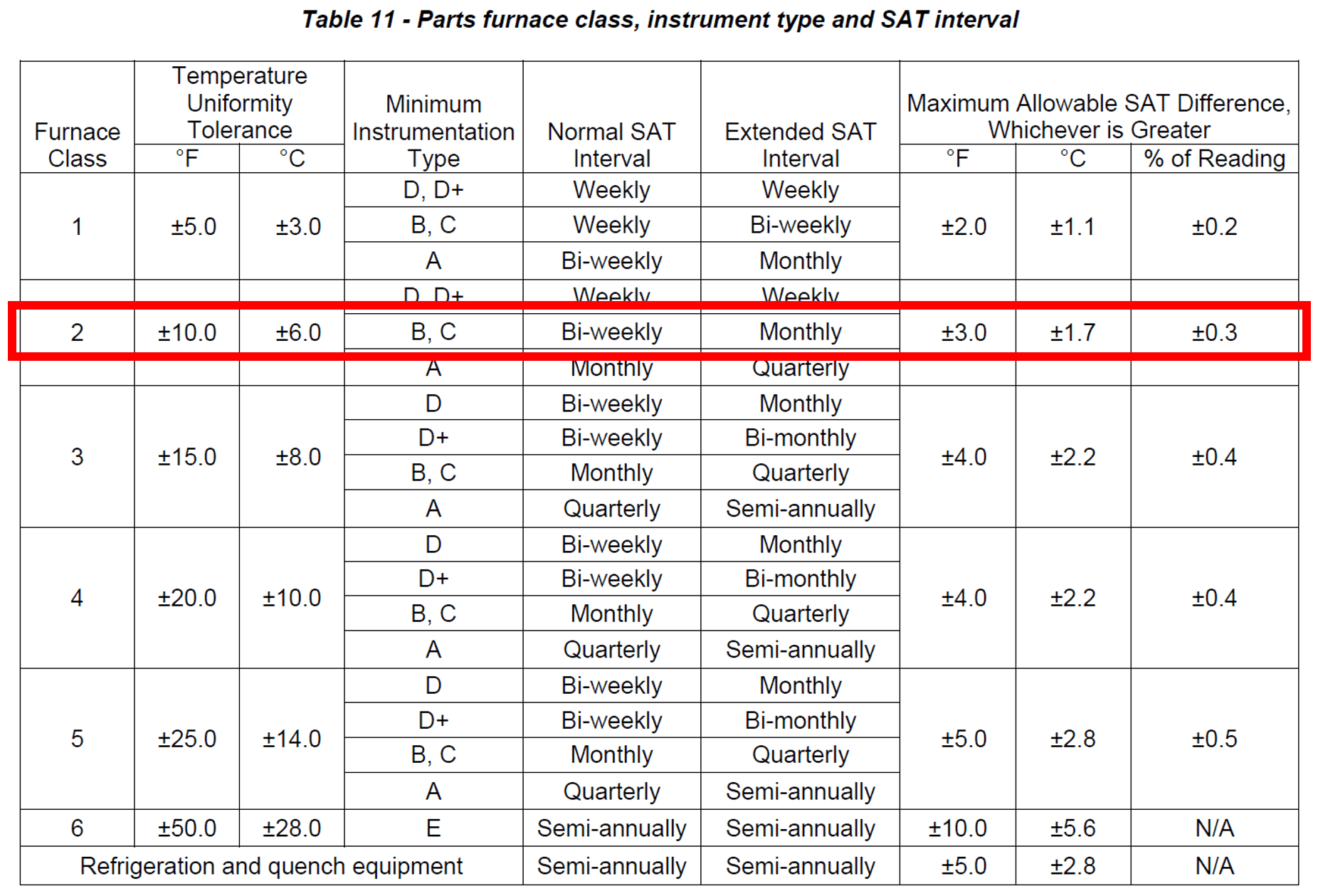
The SAT (System Accuracy Test) is a verification that the entire temperature chain of the furnace from the thermocouple to the connecting cables to the display devices does not show a greater deviation than shown in Table 11 of the ASTM 2750 G standard. The SAT should therefore be performed at least monthly, or after any maintenance that could affect the accuracy of the measurement system.
According to CQI-9, 4th edition, the SAT should be performed quarterly or after any maintenance that could affect the accuracy of the measurement system.
TUS (Temperature Uniformity Survey) is a test that says that the required temperature uniformity is present within the working space of the furnace and that it meets the tolerance band of the furnace class according to the ASTM 2750 G standard. The TUS should be performed quarterly or after each major repair of the furnace affecting the uniformity of temperature in the oven, within the qualified temperature range.
According to CQI-9, 4th edition, TUS should be performed once a year or after each major repair of the furnace with an impact on the uniformity of the temperature in the furnace, within the qualified temperature range.
However, if the furnace is used in two qualified temperature zones, e.g. in the temperature zone for hardening from 900 to 1100 C, and in the temperature zone for tempering, e.g. 400-600 C, then each temperature range can have its own TUS.
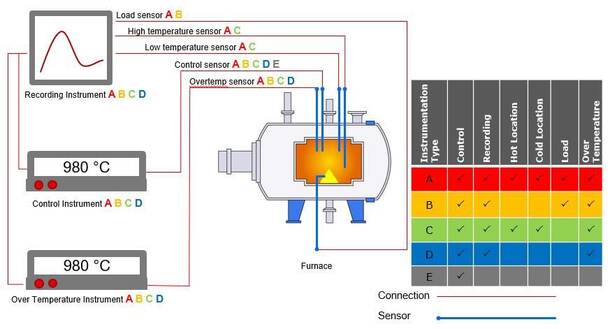
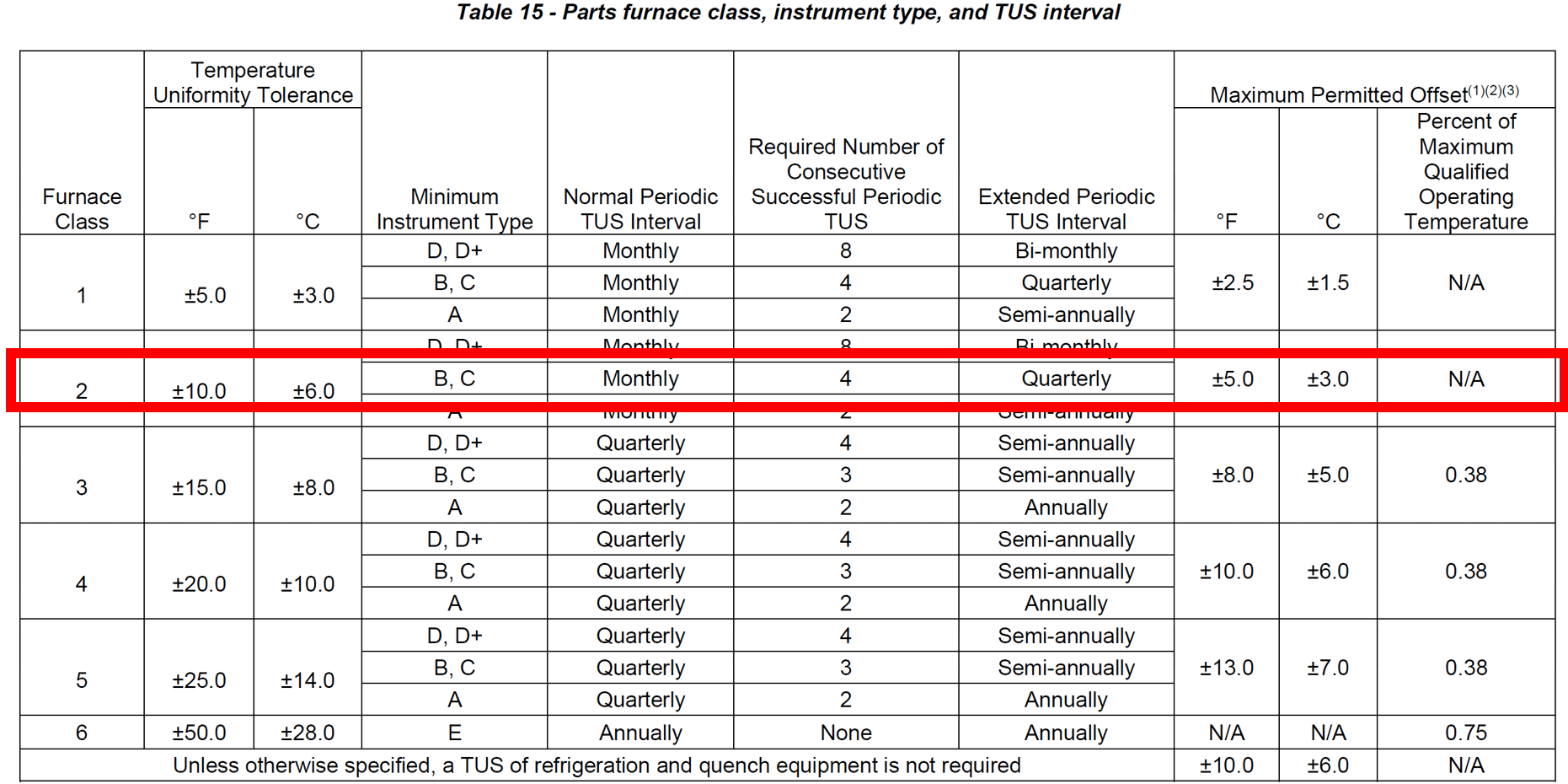
What does this imply? If we are looking for a heat treater that could optimally process our parts, then it will definitely be a heat treater validating furnaces according to AMS 2750 G. The temperature verification intervals are completely different.
- SAT – AMS 2750 G/CQI-9: 1x per month/1x per 3 months
- TUS – AMS 2750 G/CQI-9: 1x per 3 months/1x per year
However, there will be a significant difference in costs for the heat treatment shop. Every SAT or TUS test costs money. These costs are determined by the downtime of the furnace, depreciation of the measuring equipment, costs of thermocouples, costs of energy and technical gases, costs of the calibration engineer, but also the costs of the furnace operator. It can be estimated that one SAT will cost around 15,000 CZK, and one TUS around 40,000 CZK.
The annual costs of furnace validation in AMS 2750 G mode will then be: 12 x 15,000 + 4 x 40,000 = 180,000 + 160,000 = 340,000 CZK (14 k€), in CQI-9 mode then: 4 x 15,000 + 1 x 40,000 = 60,000 + 40,000 = 100,000 CZK (4,2 k€).
This is of course reflected in the prices for heat treatment. But it is up to the tool shop or parts manufacturer to judge whether the increased safety of hardening in terms of temperature control is important enough to us that it is worth paying a higher price for processing.
And how do we know in which mode the heat treater keeps the furnaces? It is easy. In the first case, it usually has a Nadcap certificate, in the second, a CQI-9 certificate. If he has neither this nor that, then better go elsewhere.
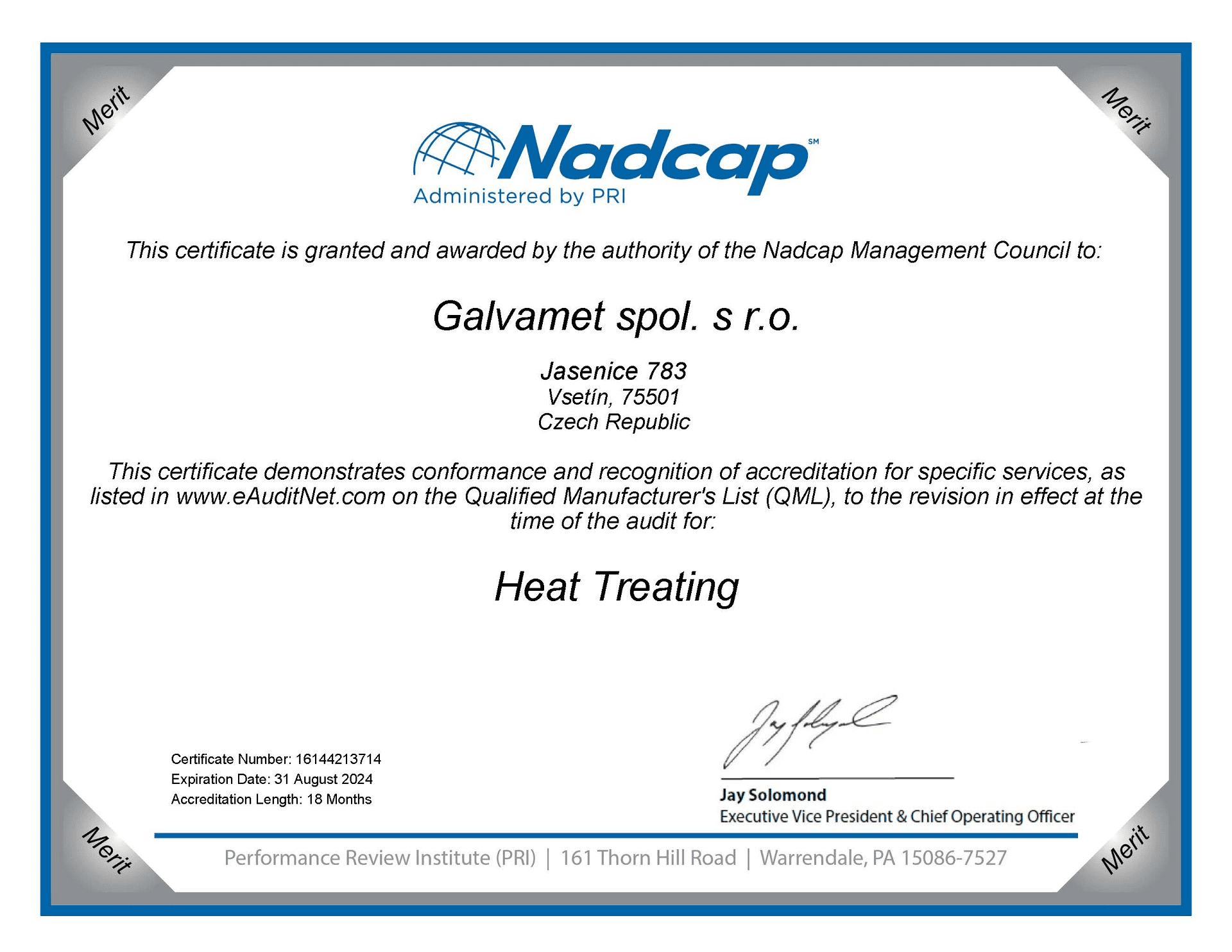
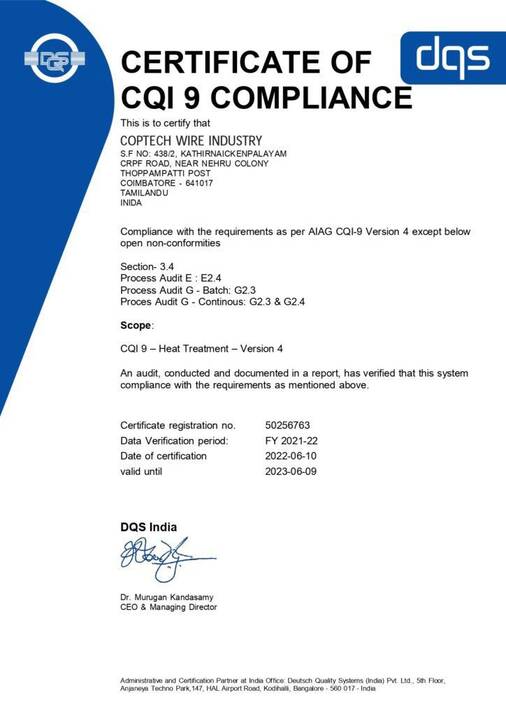
And how do I know that the heat treatment plant really follows these regimes? Again, it’s simple. Just look at the oven. If this document is hanging there, everything is fine. If not, there is another possibility that it is lying in a drawer somewhere. But since it must be in paper form, it is easy to request it. But if such paper cannot be found in the heat treatment shop, it is better to go elsewhere.
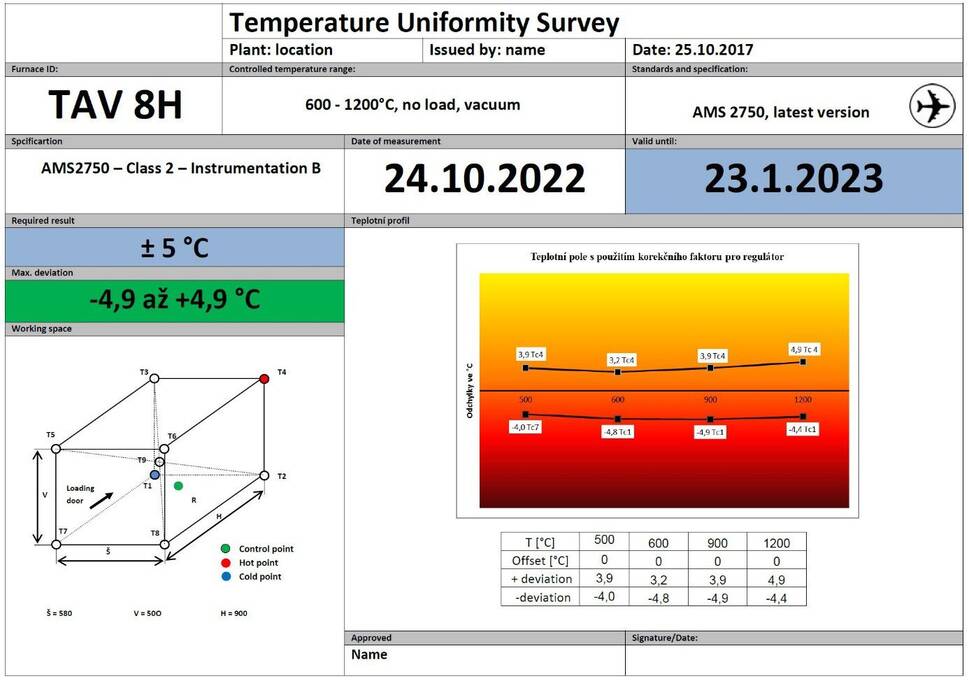
And what are the real requirements for furnaces? Only exceptionally furnace Class 1, mainly for aluminum heat treatment, for some applications furnace Class 2. But the predominant one is Class 5. This is surprising, because nowadays all vacuum furnaces are bought in furnace Class 2 and in instrumentation B without exception. Nadca-207 does not prescribe a class of furnace for hardening die inserts, however, it differs from other standards in that it prescribes only one temperature for each material, without a tolerance band. So, if we are going to harden, for example, Dievar, we have a prescription for an austenitizing temperature of 1010 °C. If we work with furnace Class 1, we are sure that inside the furnace in the whole space is 1007-1013 °C, for furnace Class 2 from 1004 to 1016 °C and for furnace Class 5 from 995 to 1025 °C. It is clear what is more advantageous for the customer. However, since Nadca-207 prescribes input tests for impact strength as acceptance parameters, it is only up to the tool shop how it will limit the temperature tolerance band of its heat treatment supplier, and how many risks with too much temperature dispersion it is able to bear.
Jiří Stanislav
6. června 2023