Strategy
I published an infographic on Linkedin (see Fig. 1) on the topic of ECM ICBP Flex. However, I found that my view is not entirely identical to other experts in the field.
What I essentially wanted to convey? In order for a commercial heat treatment shop to survive, it must change a lot. The model created 50 years ago, based on a fixed furnace, fixed technology, high emissions and high energy consumption, has no chance of survival. In order for a heat treatment plant to maintain its role in a competitive environment and in an environment of industrial uncertainty, it must be unique in its own way, distinguishable from others, and above all flexible to changing customer requirements.
My example of a comparison between classic multi-purpose furnaces and the multi-chamber ECM ICBP Flex system tried to respond to this situation.
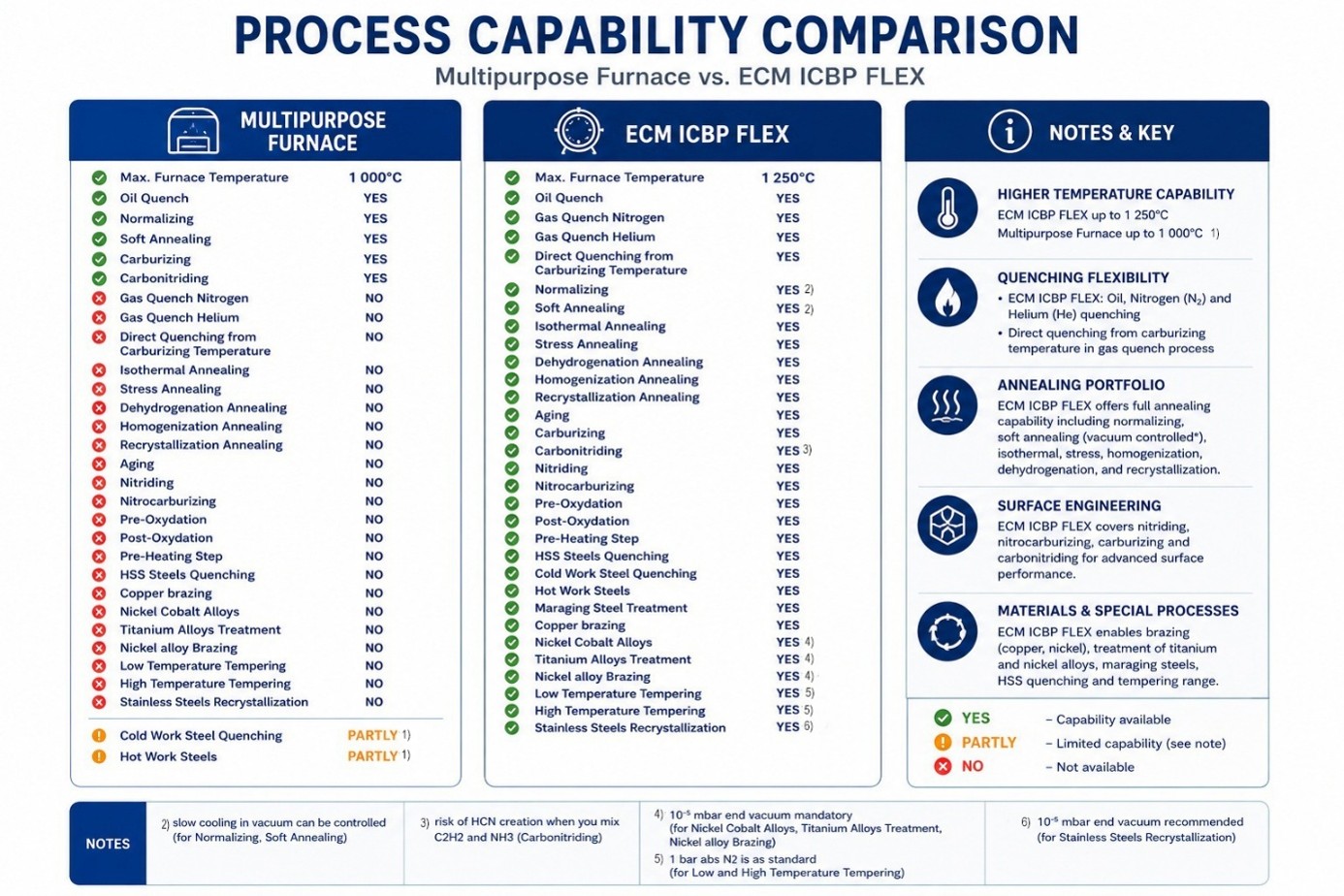
Fig. 1 – Infographic of the differences between SQ and ECM ICBP Flex
For a better understanding, you can start from this layout (Fig. 2). From serial execution of production process operations, we get to parallel processes. The continuous processing time is significantly reduced. The furnace, as the basic means of our activity, is changing from a single-purpose device to a flexible model, where I perform all or a large part of the thermal operations on one basis. Within the framework of this model, I can essentially combine everything that I can do in a multi-purpose furnace with oil quenching, and at the same time I can expand my portfolio with everything that I successfully do today in single-chamber vacuum furnaces with gas stream quenching or for tempering.
The main objection on Linkedin was a significant difference in CAPEX.
On the one hand, there is no need to change anything, I will use the old furnaces as long as I can, they have long been written off, so it gives me lower process costs. I will then decide on a new investment later, when the world stabilizes at some new level. I don’t care that it uses twice as much energy as others who have already taken that step, and I compensate for the costs with zero depreciation. I don’t even care about the emissions from ENDO and high energy consumption, no one wants me to do that yet. And I don’t even realize that the entire automotive industry has been running on emission-free multi-chamber devices with LPC for years, and it can no longer afford to take a step back, that is, put high-emission parts into cars. It would completely undermine the already well-established green strategy.
And above all, by having zero depreciation, I completely eliminate my future investment options.
So in order to ensure an acceptable future cash flow, we must continuously invest. And part of this strategy is reasonable depreciation. In the conditions of commercial heat treatment plants, it should be in the amount of 8 to 10% of turnover. And since my cash flow is made up of depreciation and profit after tax, depreciation is essentially the basis for surviving the crisis. It is part of the so-called gross profit, and it ensures my positive cash flow, even if the quenching plant as a whole is in loss.
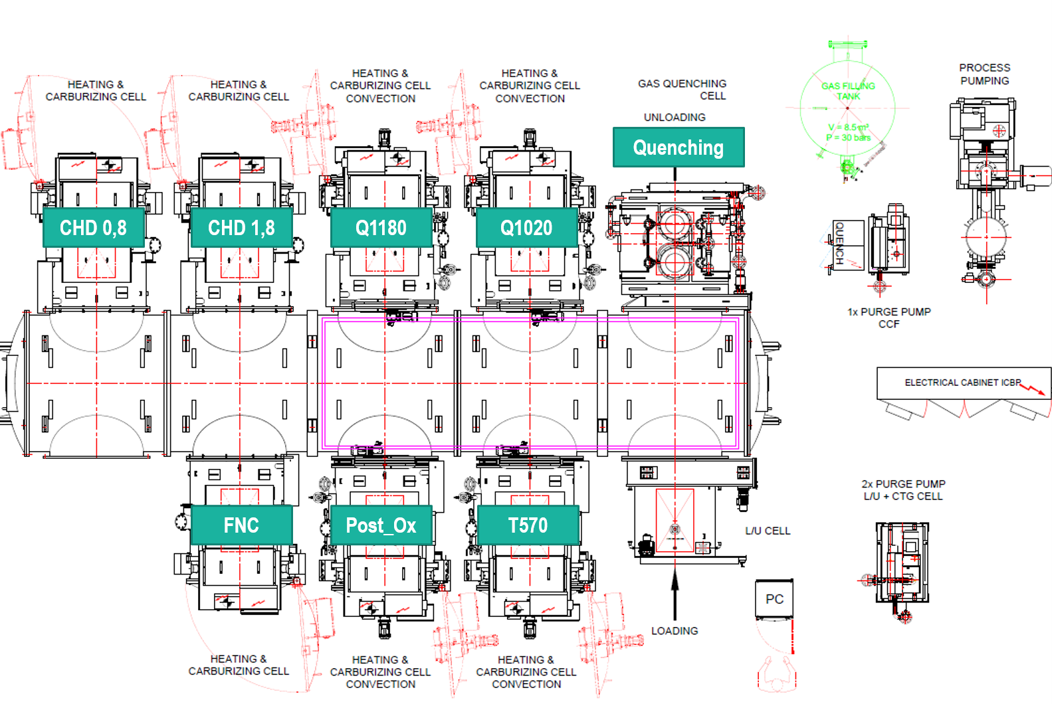
Fig. 2 – ECM ICBP Flex layout and its options – example of options
Okay, in the end I decide not to risk entering the unknown world and I will replace my old furnaces with new models, but essentially copies of the original design. With lower energy consumption, lower emissions, lower maintenance costs. I am convinced that it will cost me less than the ECM solution. The fact that I will not get rid of the main source of emissions in multipurpose furnaces, the ENDO atmosphere, does not bother me, I do not work for the automotive industry, and the others do not care about it today. But I write off the furnaces for 20 years. And I am really sure that they will not care about it in the coming years either?
And what about the Capex? This is the minimum configuration of the ECM ICBP Flex100 (Fig. 3 – the part drawn in black). One heating and carburizing cell up to 1050°C, a transport chamber and a module for oil quenching. Basically a typical two-chamber vacuum furnace with oil quenching. In case I want to replace just one multipurpose furnace, yes, the CAPEX for the ECM ICBP FLex will be higher than a new SQ furnace with a size of 699, 500 kg charge. It will even be slightly higher than a typical vacuum two-chamber furnace with oil quenching.
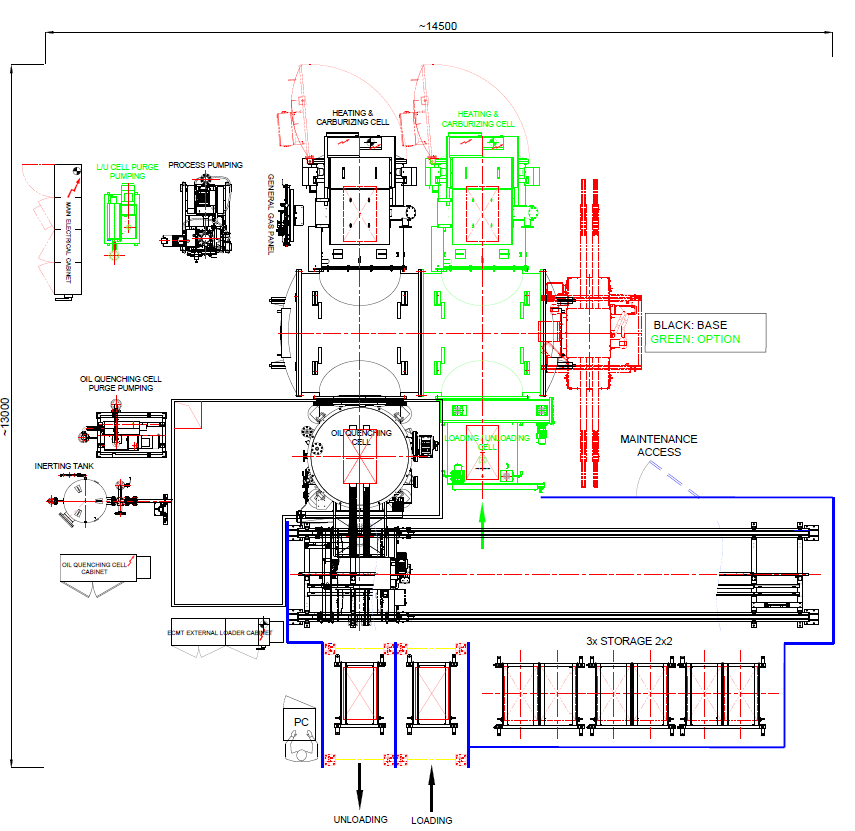
Fig. 3 – Minimum configuration of ECM ICBP 100 and its expandability
But if I want to replace two or three multipurpose furnaces, the situation is completely different. In the case of a multipurpose furnace, I always have a 1:1 ratio between the heating chamber and the quenching chamber. But with the ECM ICBP FLex system, it is 1:x. I can add several carburizing chambers, but I will always serve them with only one quenching bath. As soon as I expand the equipment by the part drawn in green, the situation will fundamentally change. Capex for the ECM ICBP FLex equipment according to the layout will be lower than Capex for two new multipurpose furnaces. For two furnaces by 14%, for three furnaces it will be 19% less. I prefer not to calculate further. And what else do I gain? You can see this in this infographic.
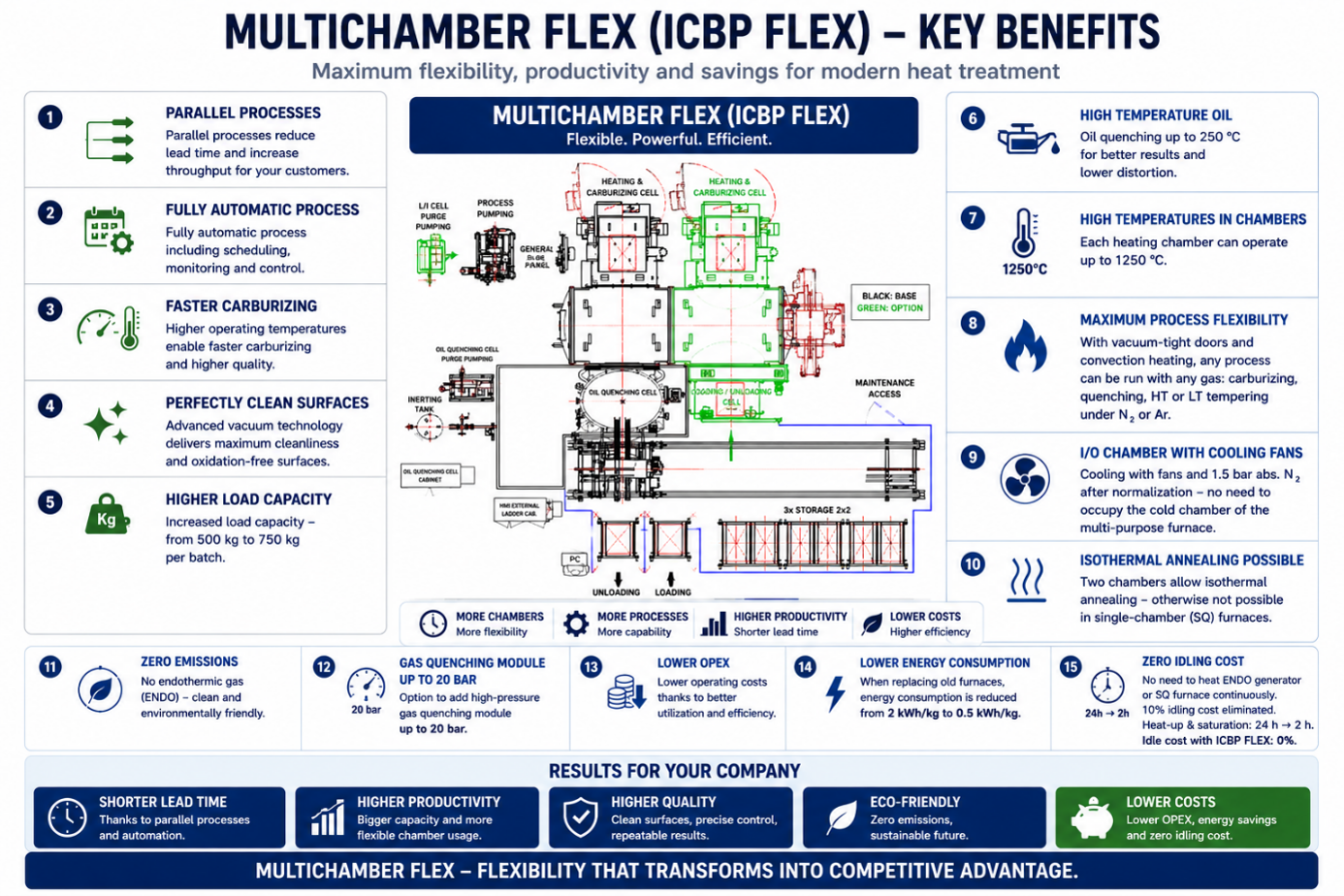
Fig. 4 – Overview of the advantages of a multi-chamber device with LPC
Is that not enough? Or is it a real argument? Which sectors will actually develop and in what direction? Where is my future potential if the automotive industry fails with the transition to BEV?
In our country, in the Czech Republic and Slovakia, another significant factor plays a role. Our generation, which founded this sector after the revolution, is slowly leaving. It should therefore hand over the heat treatment plants to the next generation. But that is another risk, spread over a longer period of time elsewhere. Just a random example, company founding:
- HT-PROGRES, Liberec – 1992
- Galvamet, Vsetín – 1999
- Prikner, Broumov – 1990
- Vacuum hardening plant Meduna, Pardubice – 1999
- Kalírna Zlín – Chytil spol.s r.o., Zlín – 1998
- Q.I.P., Brno – 1998
- Kaliareň, s.r.o., Povážská Bystrica, SK, 1997
So I see a certain trend in the superposition of risks, as well as in the conservatism that persists in our generation. We’ll see, because I know everyone well, I’m sure they’ll make the right decision. But the time is coming when we have to accept that the system of “provider of heat treatment operations” will change to “provider of complete material & manufacturing solutions”. And that’s a completely different world of heat treatment.
=======================================================================================================
Are you solving a similar problem? I will help you with the analysis…
 40+ years of experience in the field
30+ years of experience… HT-PROGRES, Bodycote, Galvamet
cooperation… VŠB, Czechimplant, ECM Technologies, TAV Vacuum Furnaces, GHC Invest
12+ years of expert activity
Want to ask for a solution or want a non-binding consultation? Click on this link, I will usually respond within 24 hours. Contact email
========================================================================================================
Jiří Stanislav, Ing. CSc.
Consultant and forensic expert
========================================================================================================
24/6/2026