Emissions, energy and heat treatment furnaces
I found an interesting presentation on the web presented by Ipsen and a comparison of the carbon footprint between classic multi-purpose carburizing furnaces, continuous furnaces, and low-pressure vacuum carburizing furnaces in single-chamber and multi-chamber versions.
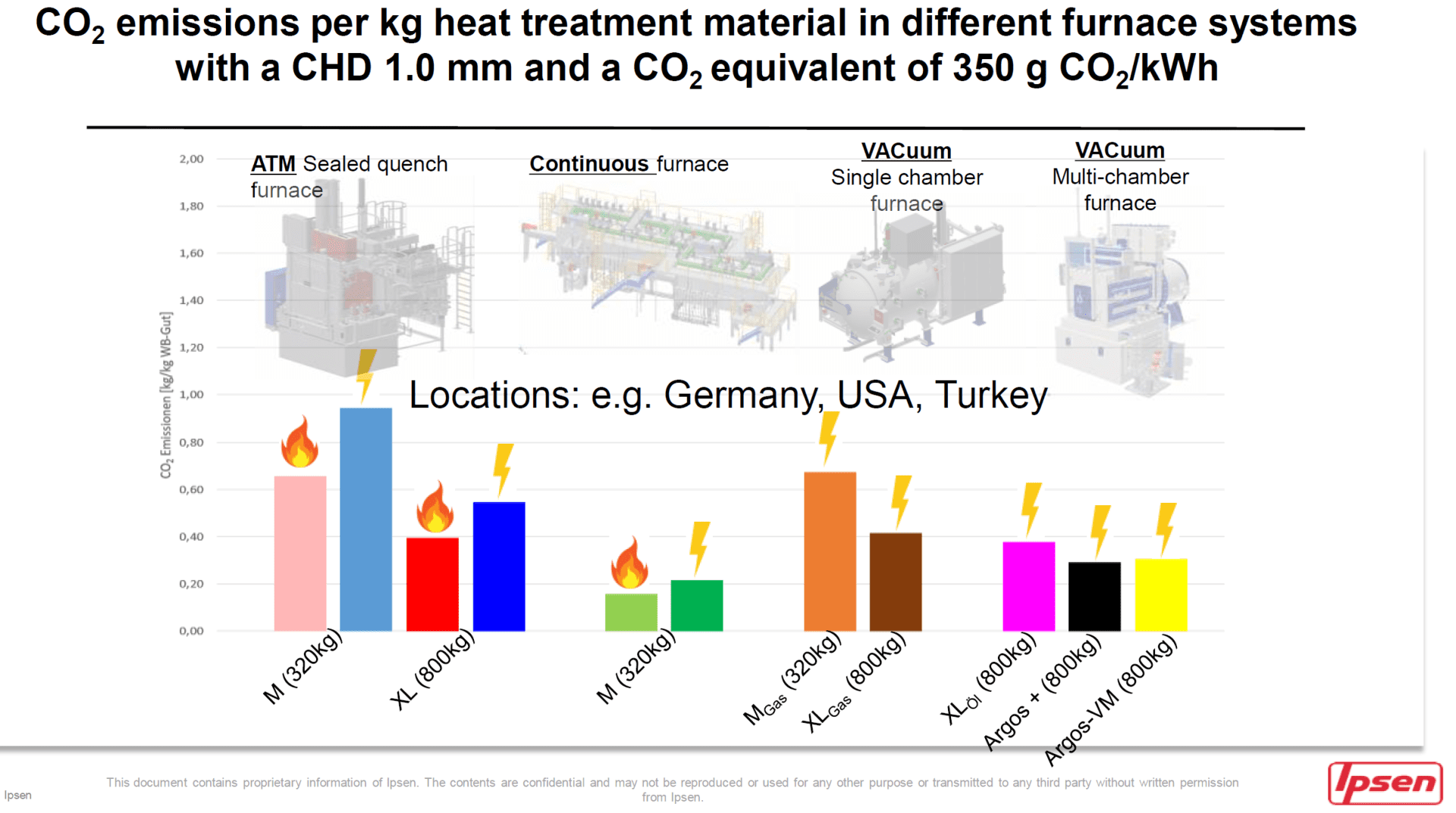
The most fundamental thing that follows from the presentation is that if we have an electrically heated furnace, in order to be able to analyze their contribution to air pollution, we must consider the national energy mix and its carbon footprint. The image above shows a comparison of Ipsen Atlas M and XL furnaces, heated by gas or electricity, continuous furnaces, and vacuum furnaces, single-chamber and multi-chamber. The graph is shown for an energy mix with emissions of 350 g CO2/kWh.
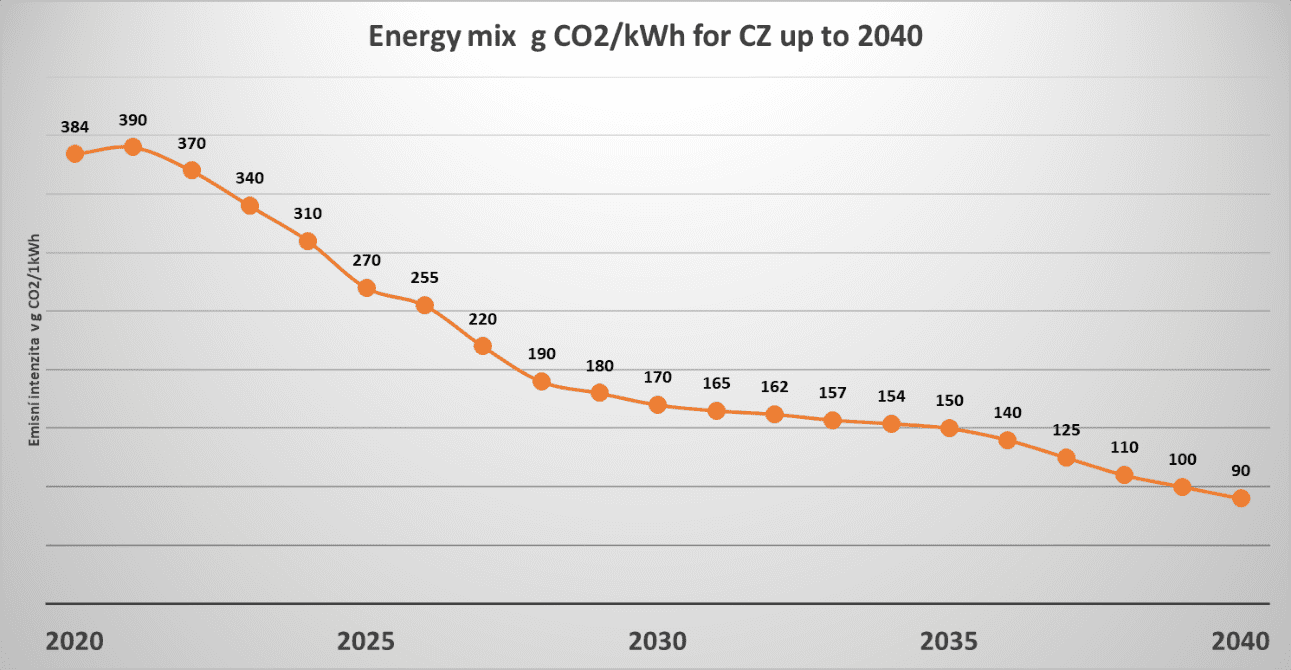
But how is it with us? Emission factors are published here on the website of the Ministry of Industry and Trade. For the year 2021, it was therefore 390 g CO2/1kWh.

But if we want to invest in some type of furnace, or if we want to rush into the refurbishment of existing furnaces, we are not interested in the past, but in the future. But how will it be in the Czech Republic?
Again, on the MPO website, you can find a prediction of the energy mix for the Czech Republic. It looks like this:
https://www.energetikainfo.cz/download/e-noviny/energetika/61209_maf-cz-21.pdf
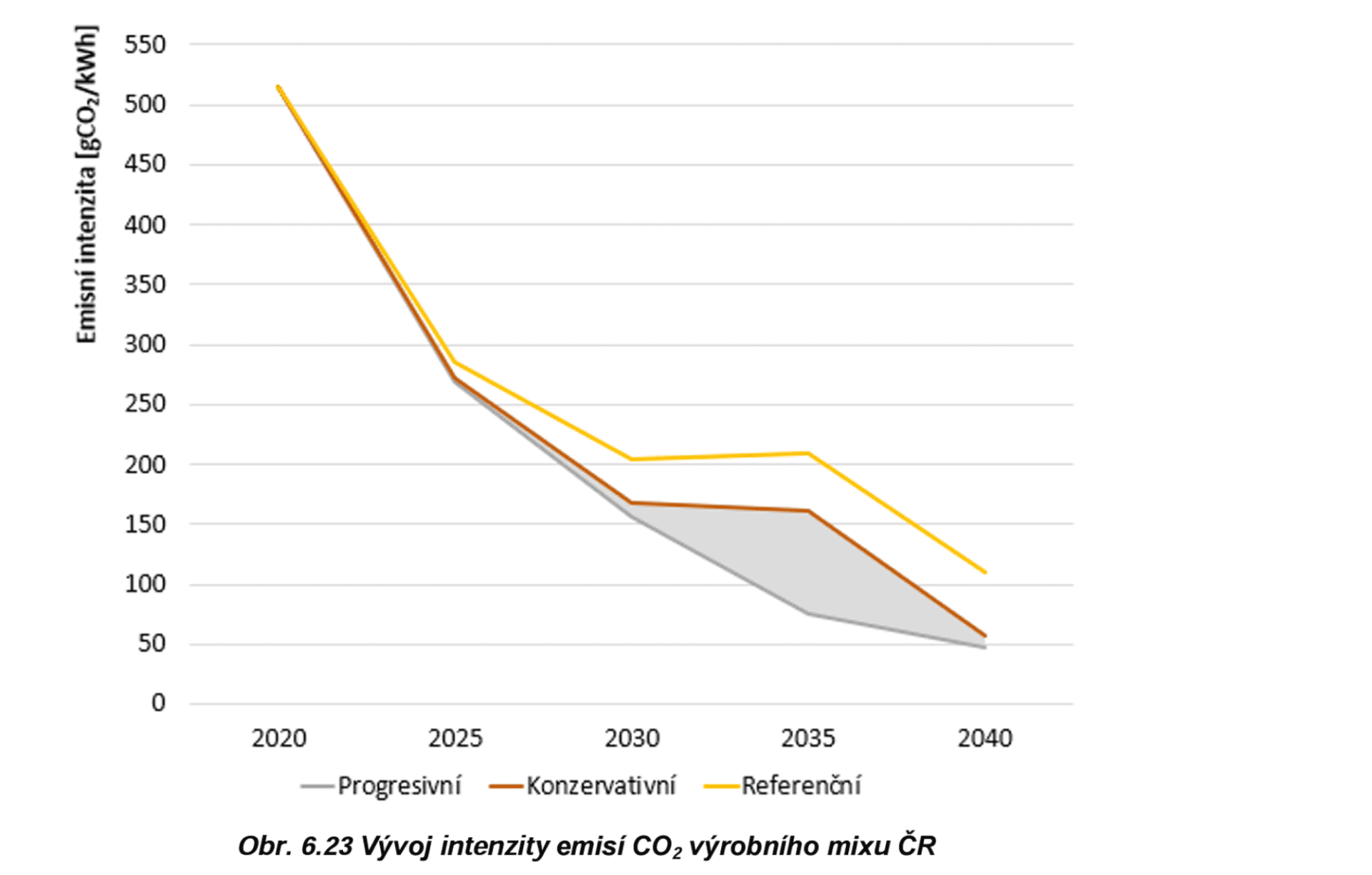
The goals are ambitious. In 2040, we should be at 90 gCO2/ 1 kWh.
But what about emission allowances? The starting point for this reasoning is the claim that whoever creates and emits CO2 must pay. Although today it is the case that the energy producer pays for the emissions, the aggressiveness of the green deal is not abating, and it is therefore likely that the time is approaching when the heat treaters, as a source of emissions, will also pay for the carbon footprint, this time for the second time. Not because they produce energy, but because they consume energy. The same applies to diesel engines, gasoline engines, heating in houses, etc.
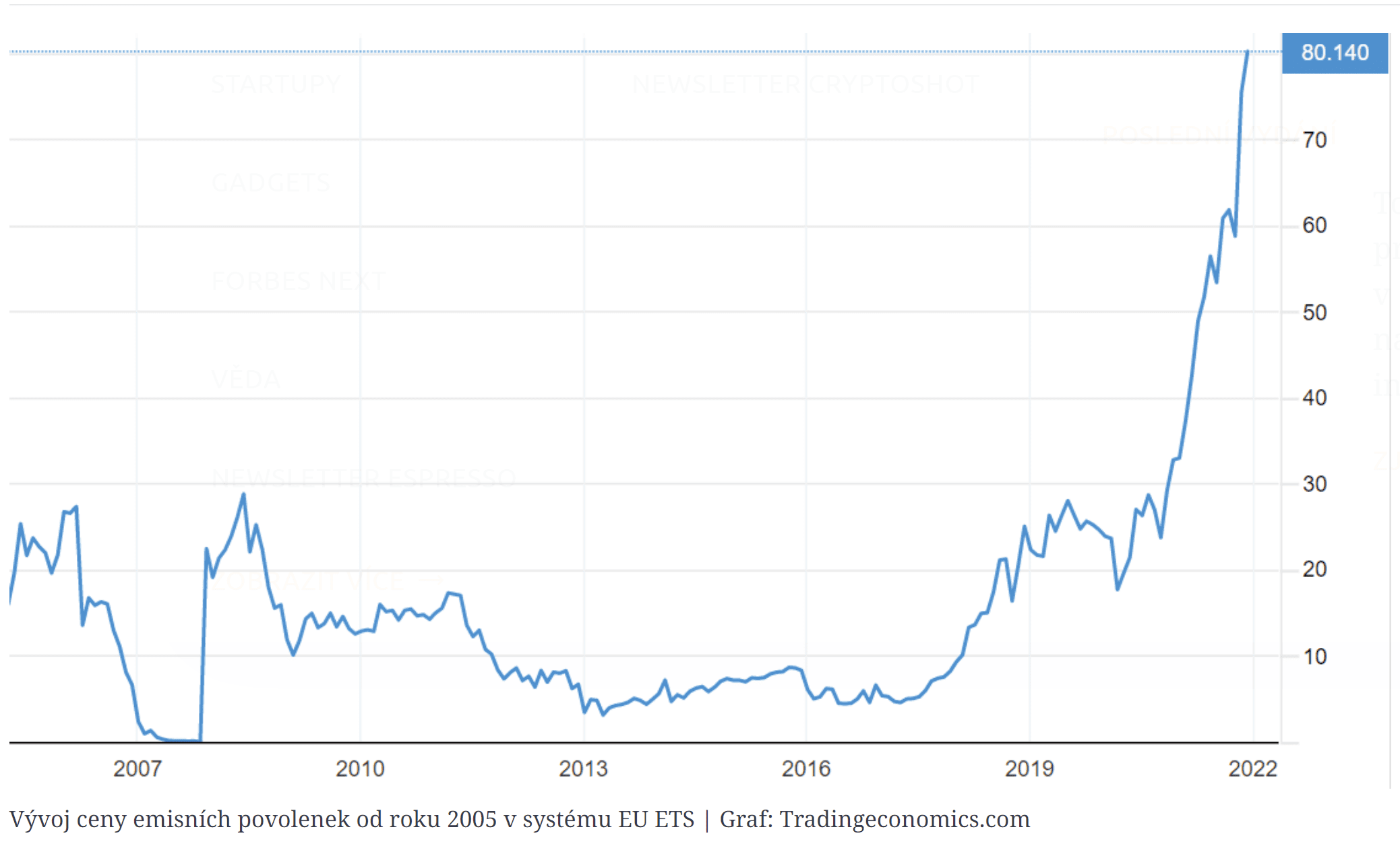
The principle of the emission allowance is that we can buy a tolerance for emitting 1 ton of CO2 for the price of the allowance. What is the price? At the time I made this calculation, it was roughly €80.
https://forbes.cz/emisni-povolenky-pro-zacatecniky-jak-funguji-a-proc-jejich-cena-roste/
So, in order to be able to make a meaningful calculation, I set the prices for natural gas and the prices for electricity to begin with. I came from published EU sources for electricity and natural gas for Q1 2022.
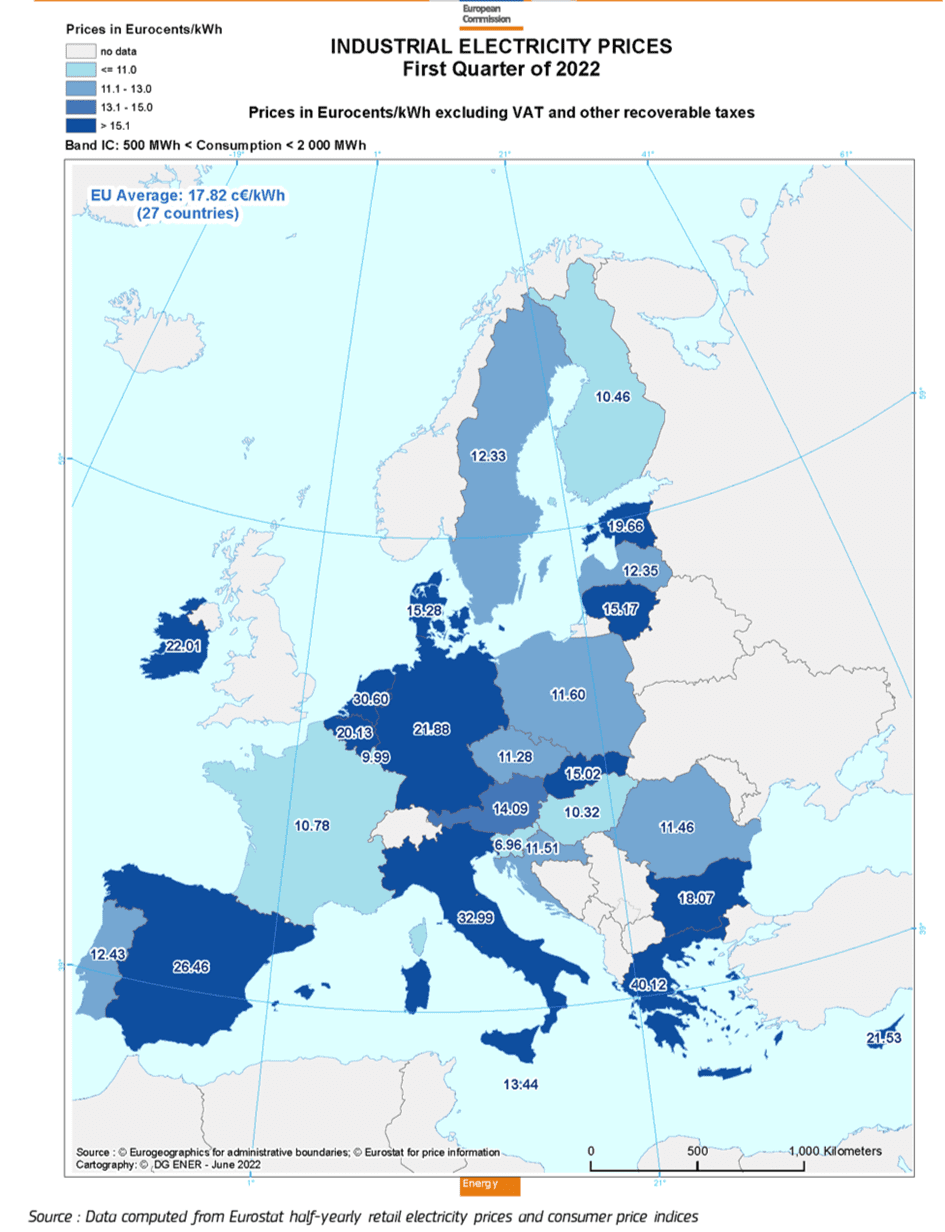
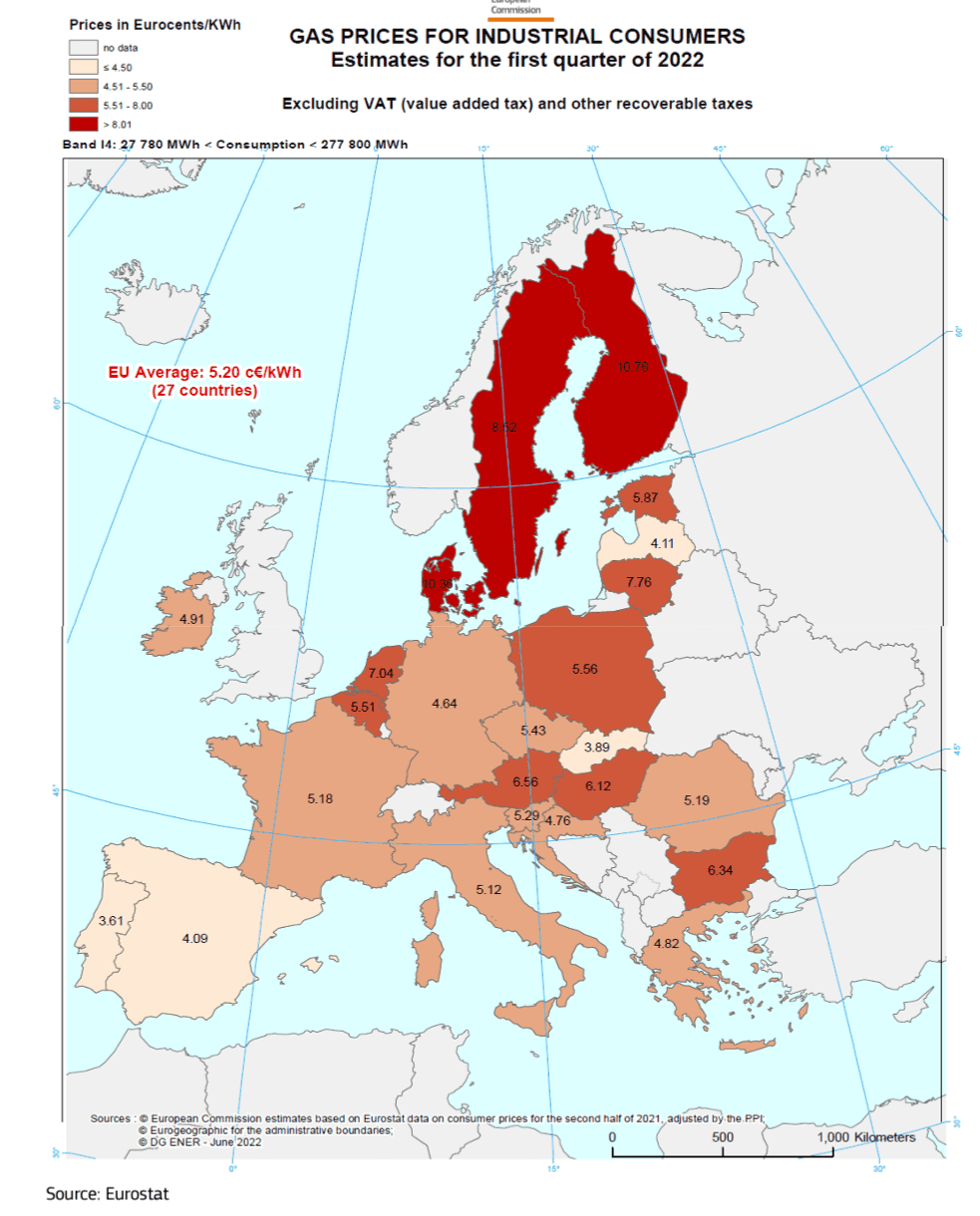
The starting prices for the calculation for the Czech Republic are therefore:
Electricity 11,28 c€/1kWh = 2,87 CZK/kWh
Natural gas 5,43 c€/1kWh = 1,38 CZK/1kWh
Exchange rate 25,5 CZK/€
In the following years, I increased these prices by 5% every year until 2040, which is significantly less than the current inflation.
What have I come to? For multi-purpose furnaces, I calculated the energy for both the furnace itself and the energy for the ENDO atmosphere. As a reference, I took the Ipsen TQF7 – G and TQF7 – E furnaces, for which I have historical consumption data and the ENDO generator ENE-20 from Elterma. The generator is electrically heated, the atmosphere natural gas/air. Capacity 50 m3/hour ENDO. I was thinking it would supply 3 SQ furnaces at once.
Case 1 – Ipsen TQF – G multipurpose furnace, gas heated, with ENDO. Average consumption of 90 kW from natural gas, 6 kW of electricity. The values are calculated as the monthly furnace consumption divided by the number of operating hours, i.e. hours used for production. Energy for non-production hours is also included in this number. The furnace takes approximately 12 m3/h of ENDO.
Case 2 – Ipsen TQF – E multi-purpose furnace, electrically heated, with ENDO. Average consumption of 60 kW of electrical power. The values are calculated as the monthly furnace consumption divided by the number of operating hours, i.e. hours used for production. Energy for non-production hours is also included in this number. The furnace takes approximately 12 m3/h of ENDO
Case 3 – a single-chamber vacuum furnace measuring 600x900x600 mm, with an average consumption of 50 kW of electricity, calculated again from the monthly deduction and the number of operating hours.
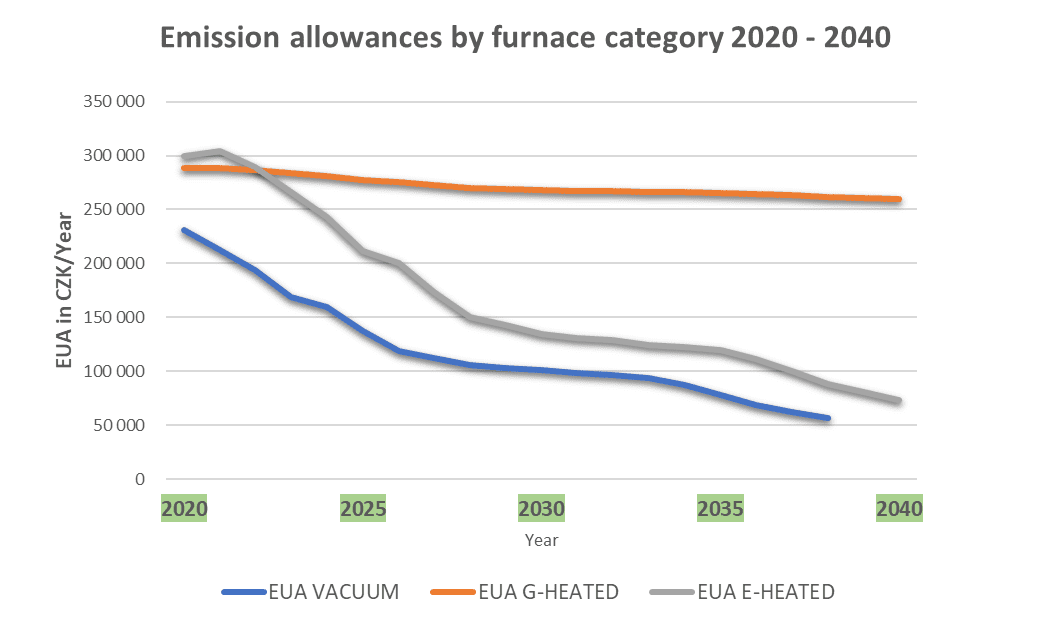
For all furnaces, I also calculated the amount of CO2 per year and added to that amount the cost of emission allowances worth €80 per piece.
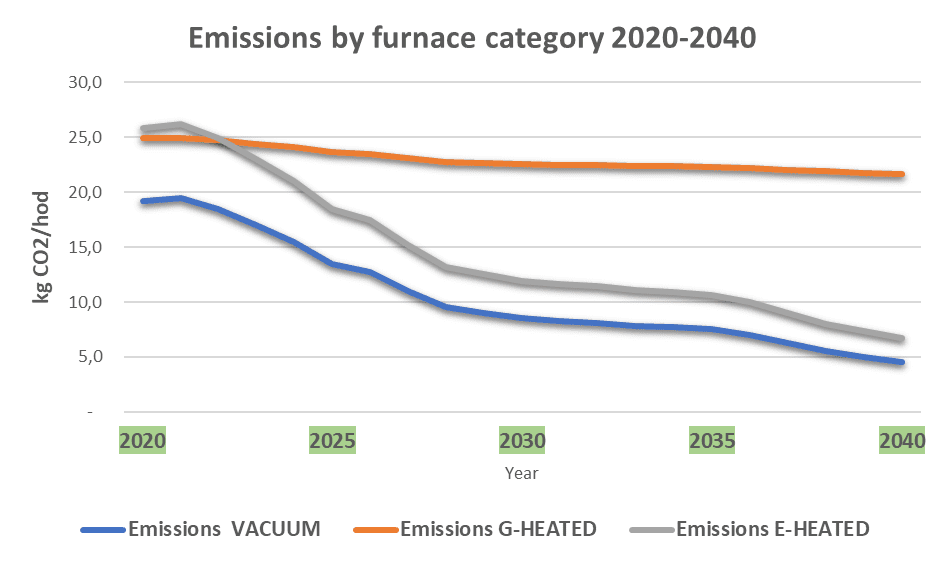
And what came of it? The worst in terms of emissions is, of course, a gas-heated furnace. Although its emissions in 2022 are lower than emissions from an electrically heated furnace, because the energy mix has a downward trend until 2040, natural gas heating is not affected by this decrease in emissions. These will be constant throughout the lifetime of the furnace. For the calculation, I considered natural gas with a value of 220 g CO2/kWh. The slight decrease is caused only by the influence of the share of electricity used to heat the oil bath, Endo generator and other accessories.
However, with an electrically heated oven, the result is significantly more favorable. As the emissions of the energy mix decrease, so does the carbon footprint of the electrically heated furnace. The share of costs for emission allowances is also falling.
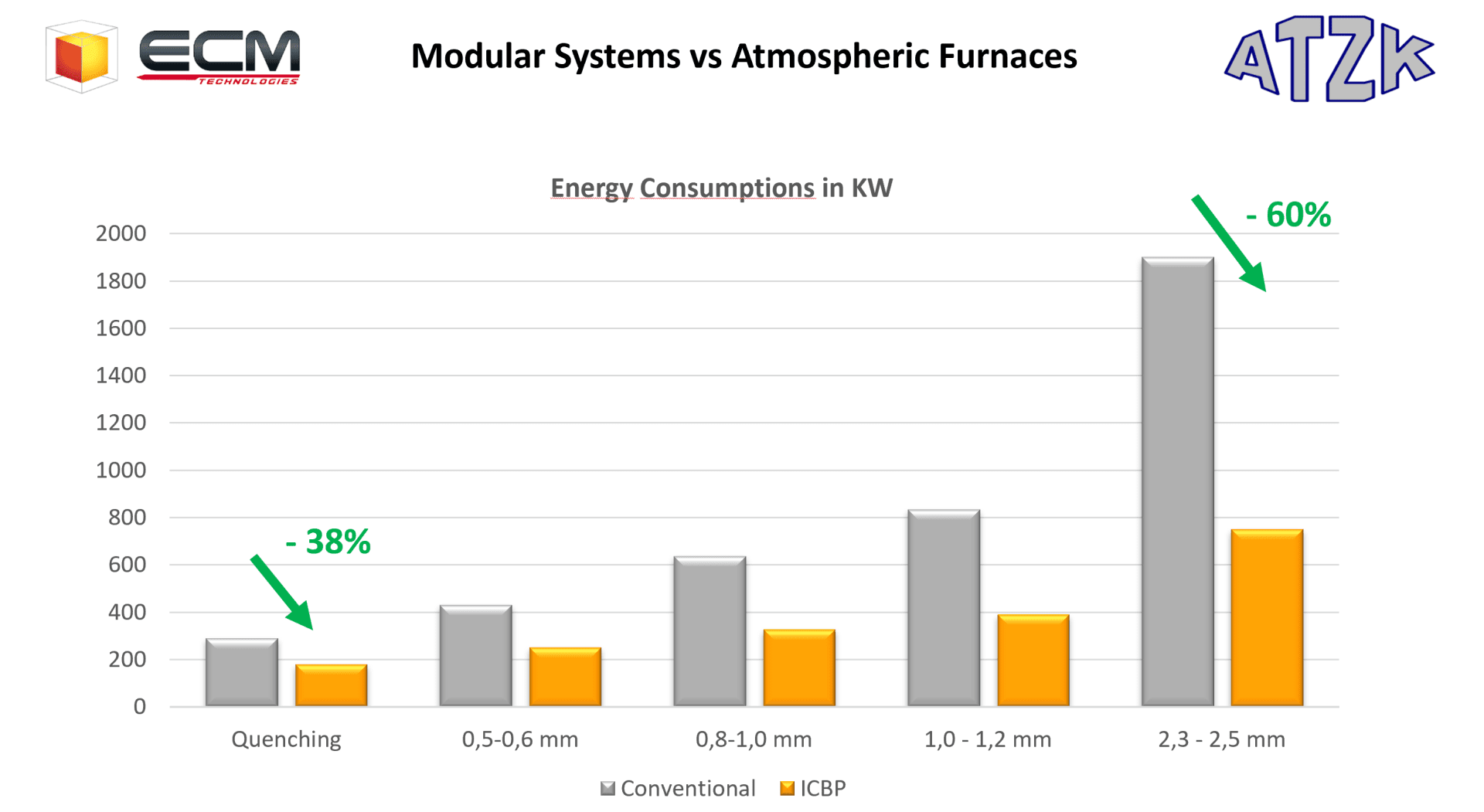
We achieve the best results for vacuum ovens. On the one hand, because they have demonstrably higher heating efficiency and lower energy consumption, we can only use emission-free nitrogen for quenching or carburizing gases with a negligible amount of CO2 for LPC carburizing. But if we invest in a multi-chamber vacuum oven, the result will be even better. In our case, the consumption of 50 kW per hour is tied to the operation of the furnace, when the chamber is always cooled to room temperature. In multi-chamber furnaces, the heating chamber remains at temperature, and in that case, we save additional power for reheating the furnace and the charge.
As a result, it corresponds to the conclusions from the presentation of the Ipsen company. The better the values from the energy mix, the more advantageous the solution of electrically heated furnaces. And as far as the trend is concerned, the green deal will clearly push us into vacuum technologies, including low-pressure carburizing and carbonitriding. Either with quenching in a gas stream or in oil.
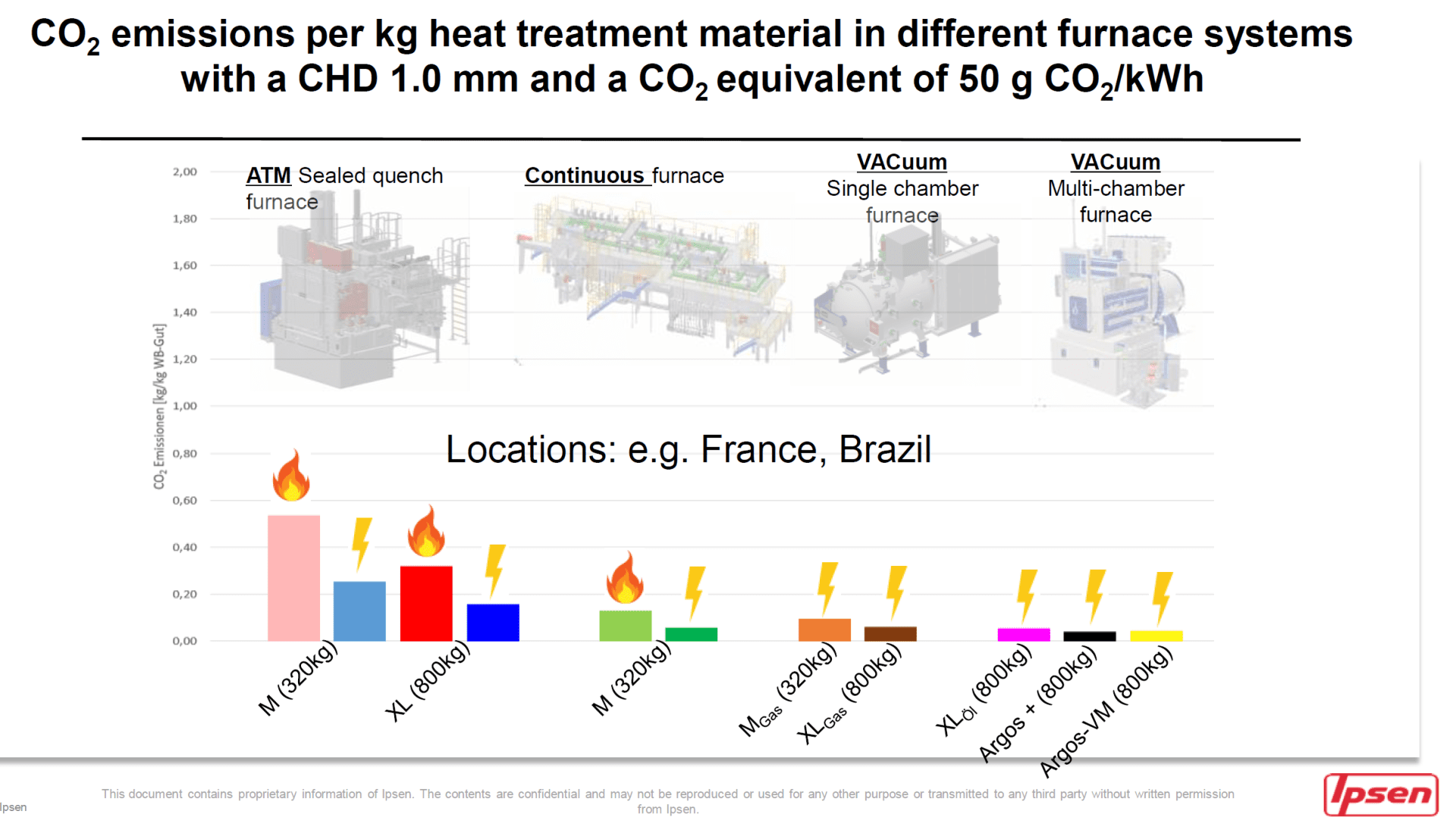
But what about energy costs and emission allowances? In terms of emissions, we were evaluated according to the above graph. Vacuum heat treatment produces the least emissions. An electrically heated multi-purpose furnace is placed in the second place, and a gas-heated furnace is placed in the last place.
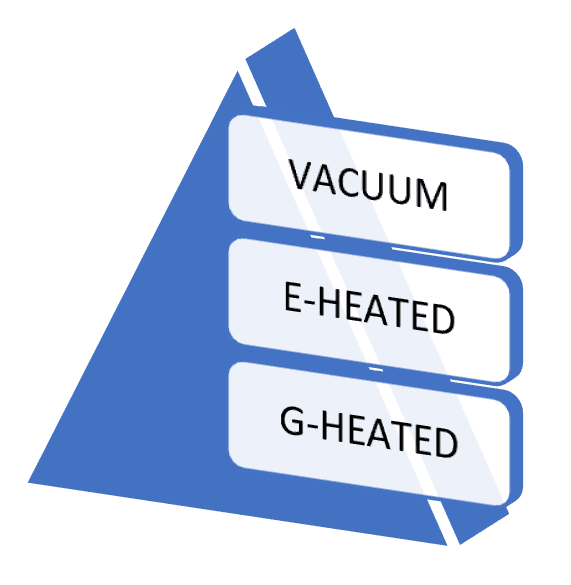
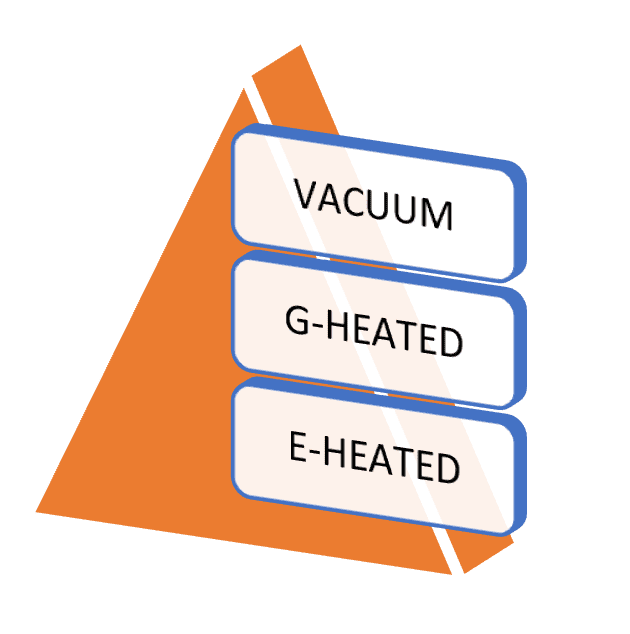
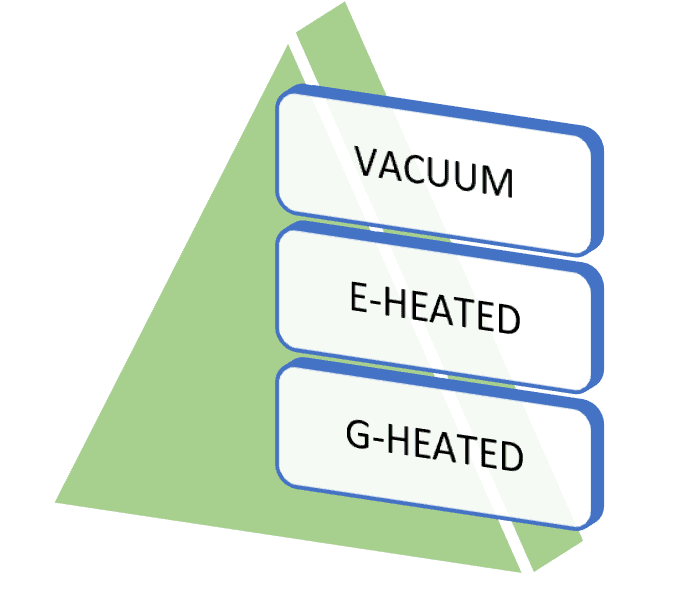
Order according to emissions Order according to energy costs Order according to emission allowances
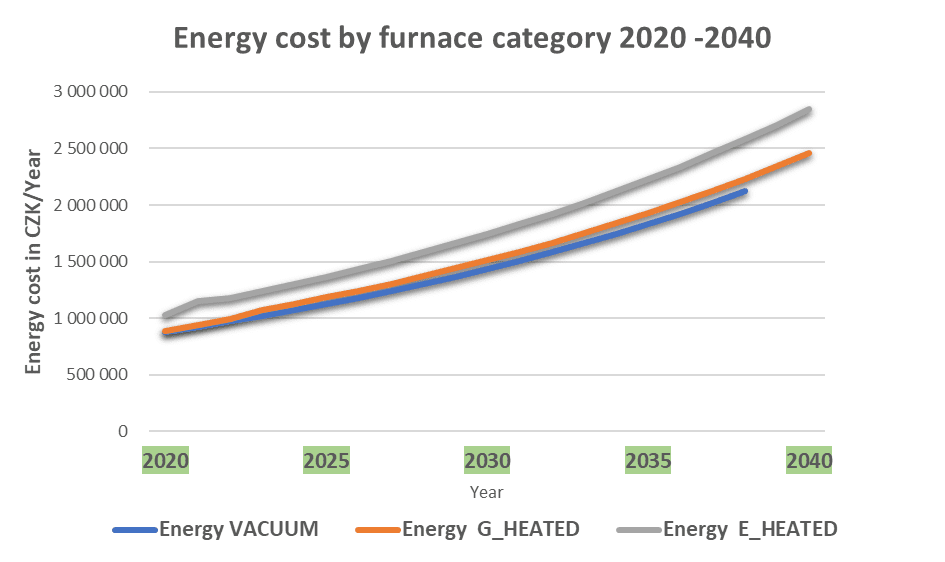
However, if we take into account energy costs, be it electricity or gas, the assessment comes out a little differently. Although the vacuum furnace shows the lowest costs, the gas-heated multipurpose furnace is very close to this.
The highest energy costs are for an electrically heated furnace. Of course, it is a question of how energy prices will develop in today’s chaos, but in all cases, I expect that the price for 1 kWh of gas will continue to be in the same ratio to electricity as it is today. So 1.38/2.87 = 48%. The price of gas will therefore be 48% of the price of electricity.
However, the costs of emission allowances are not included in this calculation. When converted to €80 per 1 ton of CO2, this graph gives it. It exactly copies the graph with emissions in kg of CO2 per hour of furnace operation.
If we summarized both values, then we get the final result. The most expensive is the electric-heated multi-purpose furnace, but the gas-heated furnace is close behind.
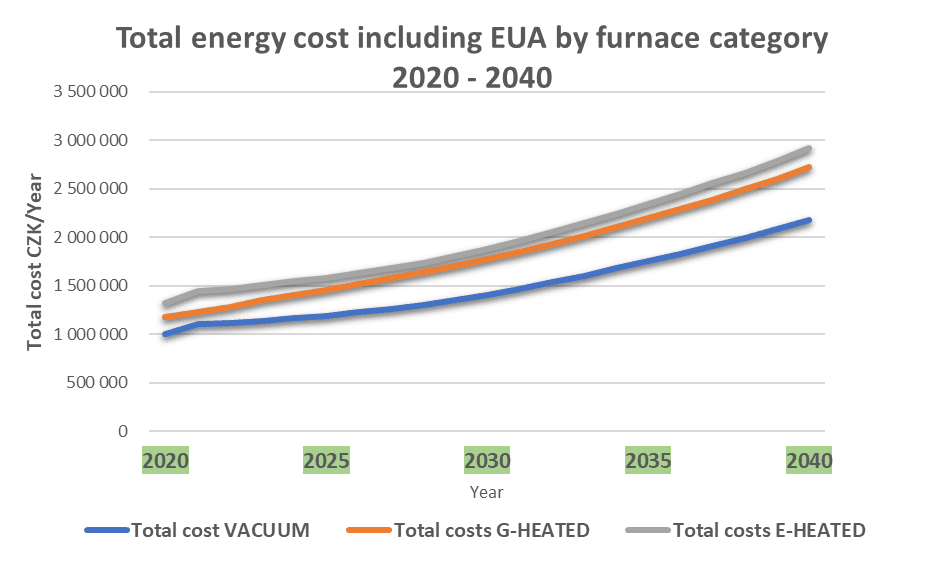
The clear winner is therefore the vacuum furnace.
So what is the conclusion? At the SecoWarwick 4.2 seminar about a month ago, Dan Herring, Heat Treat Doctor, defined the future trends in heat treatment.
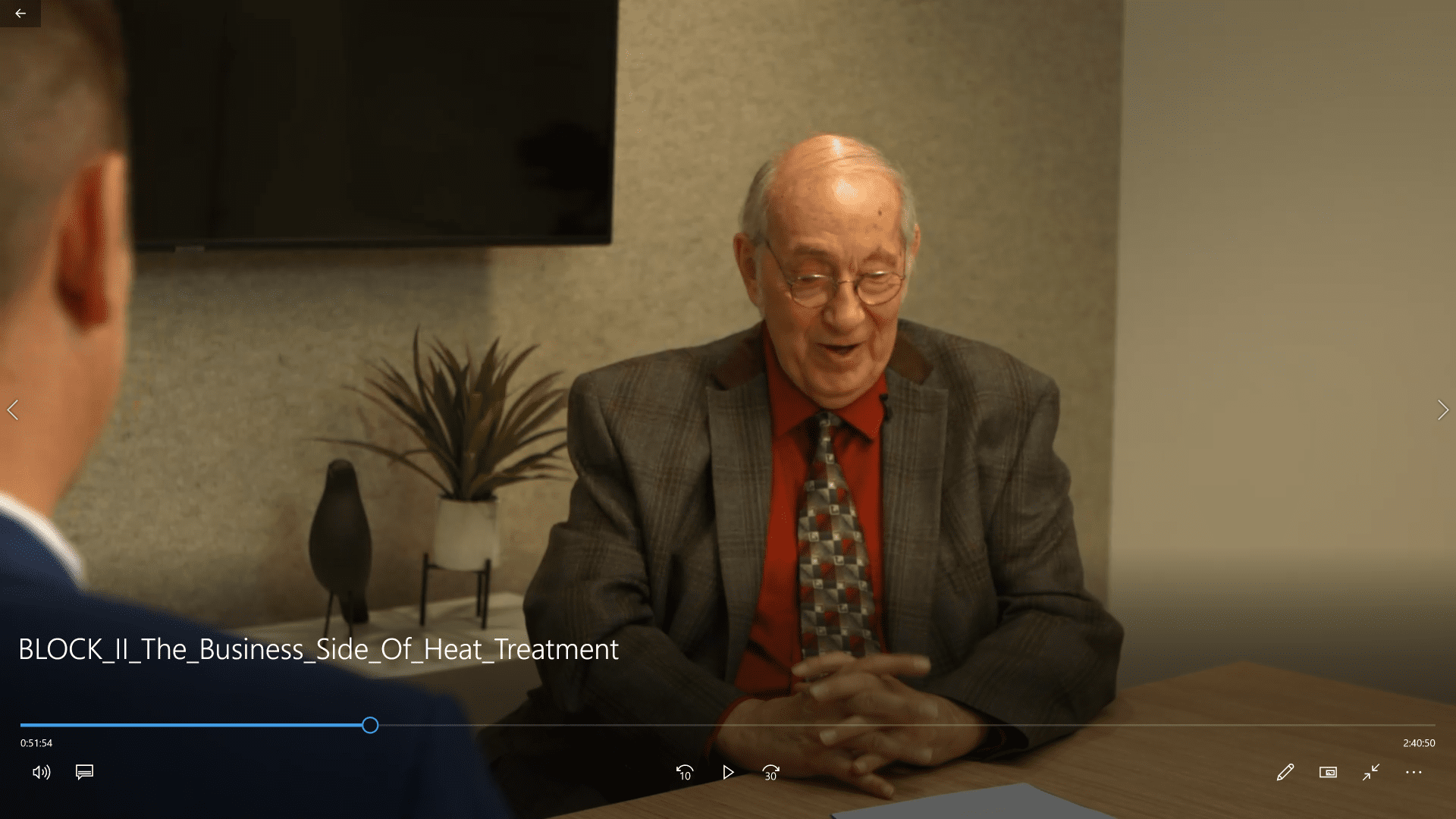
The future of our field? What will it be like?
Above all, it will be different. With EV, an era of heat treatment is ending. The next future will depend on where electromobility moves, the aviation and space industry, as well as the defence industry … but it is rather meant as “offensive”. But what Dan has mentioned many times, everything will revolve around the vacuum. Vacuum hardening in gas, in oil, LPC, LPN, plasma, brazing, AM technology. It is one of the few ways to ensure the path to ecology and friendliness.
What to say about that? Thermal processing today faces major challenges, especially in relation to electromobility. At the same time, however, there is a complete destruction of the energy market. Not only in a negative sense. A number of old, inefficient capacities must disappear from the market, thanks to energy prices or unecological nature. And if anyone is thinking about investing today, they must take into account the above factors. And since such an investment must be able to compete for the next 20 years, i.e. during the depreciation period of the equipment, it must take into account the increasing pressure on emissions and the carbon footprint, as well as on energy savings. So, as Janusz Kowalewski of Ipsen USA says, up into the amazing vacuum furnaces world
November 9, 2022
Jiří Stanislav