Nadca 207 – 2022 – Purchase of steel
So, I’m back from vacation and I can continue my philosophizing about the Nadca 207. From previous posts I shared my opinion on the design of the dies, its preparation for heat treatment, with radii R5 to R13 mm, with holes for batch thermocouples, with categorization according to functionality and expected lifetime, and above all with regard to the type of testing according to Nadca 207 in Class 1 or Class 2.
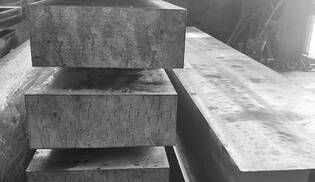
But for the time being, I did not focus on the choice of material, except to state that the use of unrefined steel is a risk that we should exclude for all critical parts of the die. An example of the consequences of such an error is shown in Figures 1 and 2. A tool manufacturer’s buyer has simplified the purchase of steel by thinking that 1.2343 is the same as 1.2343 ESR. It’s just not the same and it will never be the same. Instead of the planned 100,000 shots, the die produced 3,000 pieces and broke.
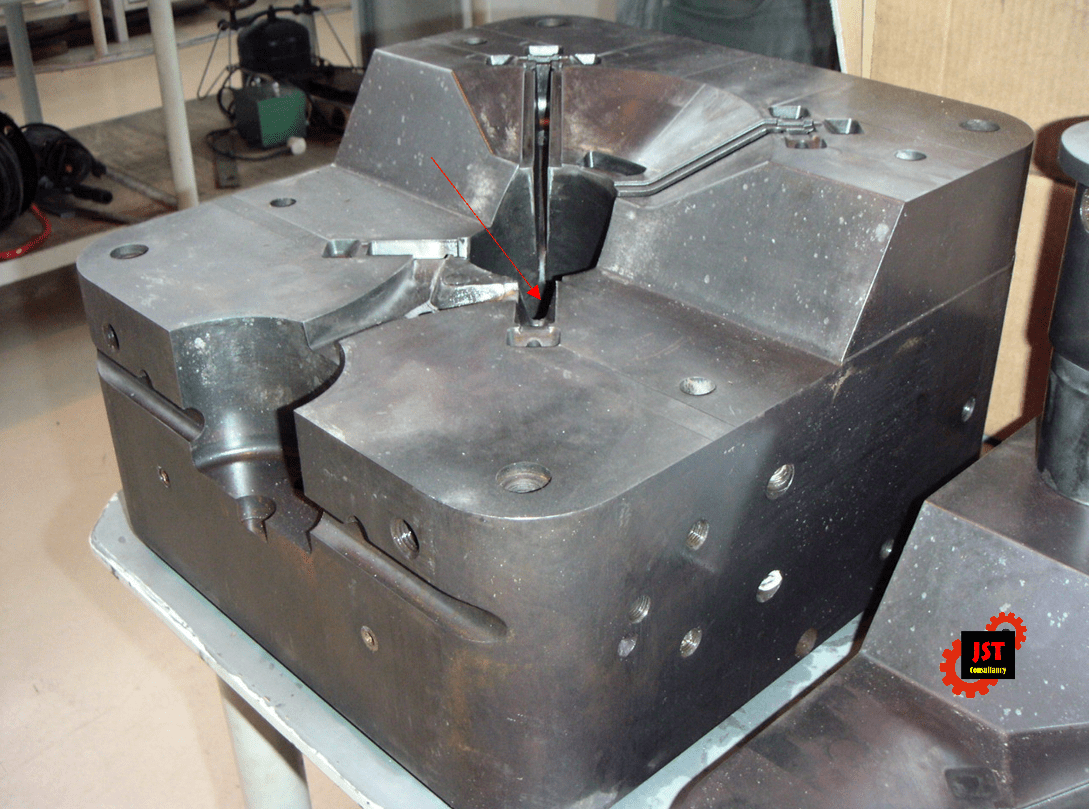
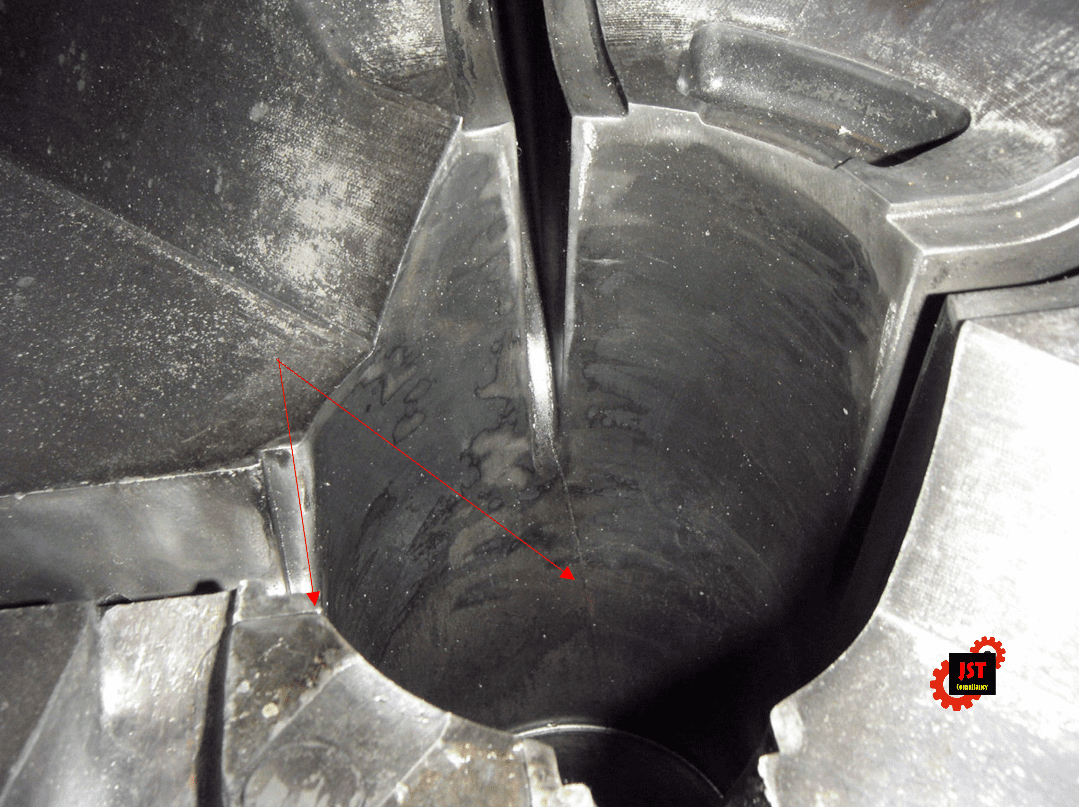
Fig. 1 a 2 – An example of a cracked die due to a steel purchase error. The buyer mistakenly ordered 1.2343 material instead of the prescribed 1.2343 ESR steel.
So how to do it? Purchasing steel is the most critical part of the entire tool manufacturing workflow. If we neglect something during the purchase, we can never fix it. Nor by further heat treatment. The task of the heat treatment plant is therefore to maintain the quality of the purchased condition. However, in case of incorrect heat treatment procedure, it can worsen it, never improve it.
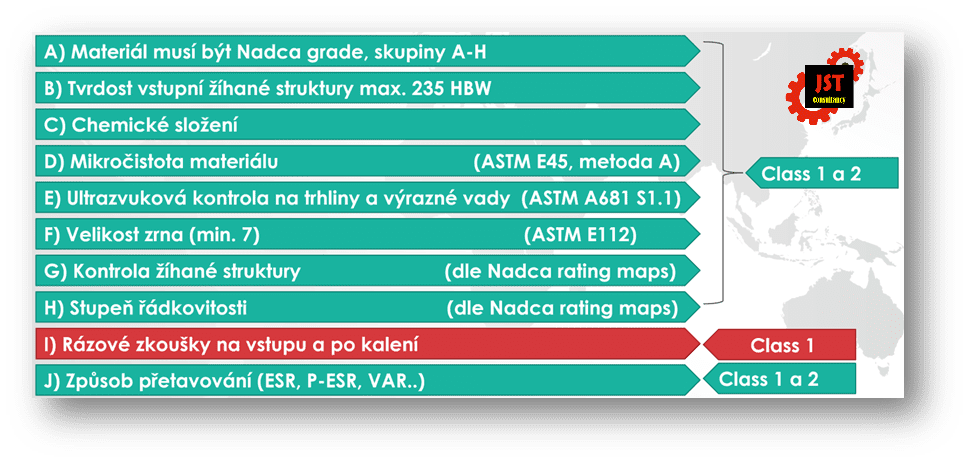
Fig. 3 – Test procedure for steel quality according to Nadca 207
The steel quality testing procedure in Figure 3 looks scary, but actually ordering quality material is simple. When concluding a purchase contract with a steel supplier, the provisions of the Civil Code can be used. § 2095 and § 2096 speak in our favour.
§2095
The seller shall deliver the thing purchased to the buyer in the stipulated quantity, quality and design. Where quality and design have not been stipulated, the seller shall perform in the quality and design appropriate for the purpose evident from the contract, or otherwise for the usual purpose.
§2096
Where the quality or design has been determined according to an agreed sample or model, the quality or design of the thing must correspond to the sample or model. If the quality or design determined in the contract differs from the sample or model, the contract is decisive. If a contract and sample determine the quality or design of a thing differently, but not in contradiction, the thing must correspond to both the contract, and the sample or model
What does this mean for us? It is only necessary to correctly formulate the order for the purchase of material. The reference to the Nadca 207 specification serves as a template or model. Unlike in the past, today every supplier of steel for die casting dies knows very well what Nadca 207 contains and what it is supposed to fulfil.
With the correct wording of the order, the responsibility for the quality parameters will be transferred to the steel supplier, and our only obligation will be to check whether the steel supplier complied with our requirements.
And what should such an order look like? See the example in Figure 4. It is important for the ordering party to correctly specify what is required, but if they refer to Nadca 207/Class 1, the steel supplier must automatically meet all the quality testing points in Figure 3.

Fig. 4 – Example of a material order with Nadca 207, Class 1 testing for a die casting dies
If we order material in Class 1, then it also has the advantage that we will not pay for the material until our initial impact tests prove the initial quality to be OK. It is therefore a guarantee that if the material does not have the required properties, we can demand its immediate replacement, withdraw from the contract or demand a discount.
See § 2106
(1) If a defective performance constitutes a fundamental breach of contract, the buyer has the right to:
- a) have the defect removed by having a new defect-free thing or a missing thing supplied,
- b) the removal of the defect by having the thing repaired,
- c) a reasonable reduction of the purchase price, or
- d) withdraw from the contract.
If we do not want to work with impact tests, we can order material in Class 2.

Fig. 5 – Example of a material order with Nadca 207, Class 1 testing for a die casting dies
The advantage of this procedure is that there is no need to cut into samples for impact tests, but the disadvantage is our inability to determine the actual quality of the incoming steel. And since this method of purchase is not subject to testing, we have to accept that if the material has defects, it will go through the entire production process to the customer without us being able to detect its hidden defects. At the same time, however, it also applies that we have to pay for the material according to the supplier’s terms and conditions. So, we bought a rabbit in a bag and we’ll just have to believe that everything will turn out well.
The fact that this is not always the case is evident from the statistics that we presented as part of Bodycote at the conference in Jihlava in 2013. According to Figure 6, 13% of purchased steel does not meet the entry conditions of Nadca 207. Is it a little or a lot?
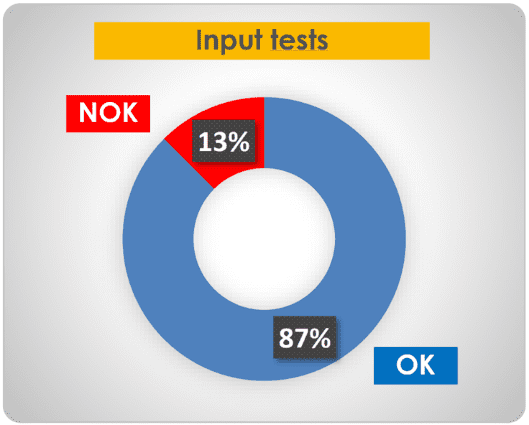
Fig. 6 – Statistics of the success of input impact tests
However, there is also a legal problem when purchasing steel in Class 2. Since heat treatment is about a change of state, for its evaluation we need to know not only the final state, i.e. the cracked form, but also the initial state. However, if we do not control the input quality, it will be difficult for us to defend ourselves in proceedings for compensation of damages by the fact that the input material or the heat treatment plant is to blame. The absence of input control means a so-called evidentiary emergency, and it will be very difficult to transfer responsibility to the supplier of steel or heat treatment. The tool shop will therefore bear all costs from hidden defects. And since the liability for hidden defects is 2 years according to the Civil Code, we will live this period in great uncertainty.
How to get out of it? Even if we are not going to work with testing according to Class 1, we have to start machining by taking a sample from the die, preferably the size of a test coupon for impact test, and mark it and put it in the archive. It will be stored there for two years from the delivery of the die, and will only be used if the die fails in some parameters. The analysis of the initial condition can therefore be carried out at any time, in the future, and the cost of it will be negligible compared to the amount of damage that we will discuss.
It’s simple, but it requires a systematic approach. And since right now I have a claim for almost €120,000 on the table, it pays to think about it from the beginning, and not at the end, when there is nothing left to deal with. And the excuses that it’s too complicated, that we don’t have the people, capacity, or that we won’t meet the deadlines? The above amount can be fatal for some tool shops.
February 28, 2023
Jiří Stanislav